Upper Chest Workout With Dumbbells: The Exercises and Gear That Actually Work
The best upper chest dumbbell exercises are the incline press, incline fly, and low-to-high fly, all done on a bench set between 15 and 30 degrees so the clavicular (upper) head of the pec does the work instead of the front delts. In 2026, adjustable dumbbell sets and folding incline benches are compact and affordable enough that there’s no real reason to skip upper chest dumbbell exercises just because you train at home. Below, we break down which movements actually recruit the upper chest, the bench angle that matters most, and the dumbbell and bench setups that make a weekly upper chest dumbbell workout easier to keep running week after week.
Dumbbells and benches that make upper chest training easier

Bowflex SelectTech 552 Adjustable Dumbbells
Bowflex SelectTech 552 Adjustable Dumbbells, The dial system lets you drop from a heavy incline press weight to a lighter fly weight in seconds, which matters a lot on upper chest day since fly weight is usually 30-40% of your press weight.
- Quick 2.5-52.5 lb range per hand
- Compact footprint replaces 15 pairs
- Well-balanced even at odd increments
- Handle is thicker than fixed dumbbells
- Cradle takes real floor space

NÜOBELL 50 lb Adjustable Dumbbells
NÜOBELL 50 lb Adjustable Dumbbells, Shorter and more compact through the range than dial dumbbells, a design detail owners consistently report appreciating during incline flys where wrist clearance and rotation matter.
- Feels closest to a real fixed dumbbell
- Smooth, quiet weight-plate locking
- 5 lb increments are great for progressive overload
- Pricier than dial-style competitors
- Max 50 lb per hand may be limiting long-term

PowerBlock Elite Series Adjustable Dumbbells
PowerBlock Elite Series Adjustable Dumbbells, The stacked-block shape means one small tray replaces a full rack, and the spec sheet's pin-based swaps are fast enough to superset incline press with fly without losing rest-timer momentum.
- Smallest footprint of any adjustable set on this list
- Expandable up to 90 lb with add-on kits
- Very durable housing
- Square shape takes getting used to
- Not as smooth to swap as dial versions

FLYBIRD Adjustable Weight Bench
FLYBIRD Adjustable Weight Bench, Marked incline positions from 0 to roughly 85 degrees let you dial in the 15-30 degree range that best targets the upper chest instead of drifting into pure shoulder work.
- Folds flat for storage
- Sturdy frame rated well past most home lifters' bodyweight
- Multiple back and seat positions
- Padding is firm out of the box
- No leg lock attachment on base model
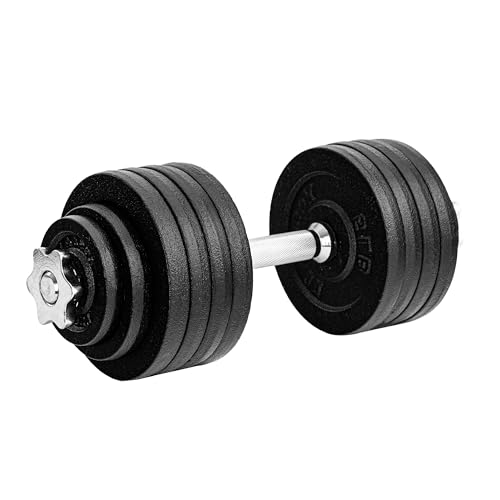
Yes4All Adjustable Dumbbells (Dumbbell Handles with Weight Plates)
Yes4All Adjustable Dumbbells (Dumbbell Handles with Weight Plates), Manual spin-collar loading is slower between sets, but the price makes it an easy entry point for anyone still figuring out whether a home dumbbell chest routine will stick before spending more.
- Lowest cost per pound of any set here
- Cast iron and rubber-coated options available
- Expandable by buying extra plates
- Changing weight is slower and noisier
- Collars need occasional retightening
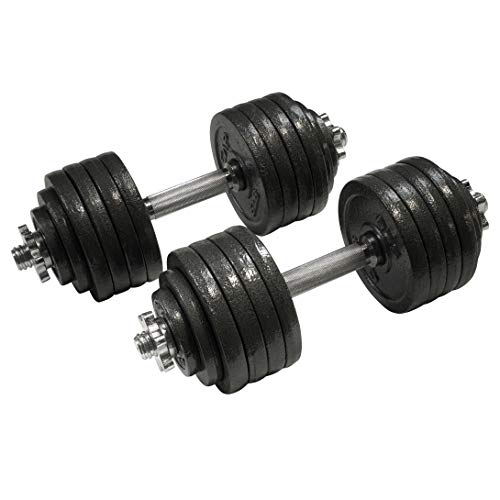
CAP Barbell Adjustable Dumbbell Set
CAP Barbell Adjustable Dumbbell Set, A solid step-up pick from plain fixed dumbbells for a home gym doing incline presses two or three times a week without needing gym-grade adjustability.
- Solid, no-wobble construction
- Reasonable price for the weight range
- Widely available replacement plates
- Bulkier than dial-style dumbbells
- Loading plates takes a minute or two
How we chose these picks
We focused on gear that directly supports incline pressing and fly work rather than general dumbbell training. That meant weighing dumbbell increment size (upper chest work often needs smaller jumps than flat pressing), how fast you can change weight mid-workout, and whether a companion bench offers a true 15-30 degree incline range rather than just “flat or fully upright.” We also considered price per pound, footprint, and how the products have held up in home-gym use based on manufacturer specs and verified owner feedback, consistent with our how we rank approach.
Why the upper chest needs its own attention
The pectoralis major has three regions, but the clavicular head (upper chest) is the one most people under-train, because flat bench pressing and standard pushups mostly hit the sternal (middle/lower) fibers. Dumbbells are actually better than a barbell here because you can angle your wrists and elbows to keep tension on the upper fibers through a longer range of motion, and each arm has to stabilize independently, which recruits more of the smaller upper chest fibers than a barbell’s fixed bar path.
The best dumbbell exercises for upper chest
Incline dumbbell press
This exercise forms the base of the movement. Adjust the bench to an angle of 15-30 degrees, push the dumbbells up from shoulder level to just before full lockout, and hold your elbows at around 45 degrees from your torso instead of letting them flare out to 90 degrees. If the bench angle exceeds 30-45 degrees, the focus begins moving away from the chest and toward the front deltoid, something owners and coaches repeatedly point to as one of the most frequent errors in home workouts.
Incline dumbbell fly
With a slight bend in the elbows, lower the dumbbells out to the sides in a wide arc and squeeze them back together over your chest. This isolates the upper chest without shoulder assistance, so use lighter weight than you’d think, typically 30-40% of your incline press weight.
Low-to-high dumbbell fly
Lying flat or on a slight decline, press the dumbbells up and slightly back toward your face rather than straight up. This unusual bar path targets the upper fibers even without an incline bench, which is useful if you only own a flat bench.
Incline dumbbell squeeze press
Hold two dumbbells with your palms facing one another, pressing them together as you press them overhead, keeping steady inward pressure throughout the movement. This squeeze extends the time your upper chest spends under tension while staying gentle on the shoulders, which makes it a solid choice for finishing off a workout.
Single-arm incline press
Pressing one dumbbell at a time on an incline forces extra core and shoulder stabilization, which can help you feel the correct pressing groove before adding load with both arms.
Bench angle matters more than most people think
| Incline angle | Primary emphasis | Notes |
|---|---|---|
| 0-10 degrees | Middle/lower chest | Too flat to meaningfully target upper chest |
| 15-30 degrees | Upper chest (sweet spot) | Best balance of chest tension vs. Shoulder involvement |
| 30-45 degrees | Upper chest + front delts | Still effective, more shoulder fatigue |
| 45+ degrees | Front deltoids | Becomes a shoulder press, not a chest exercise |
Building a simple upper chest dumbbell workout
A practical session might look like: incline dumbbell press for 3-4 sets of 8-12 reps, incline dumbbell fly for 3 sets of 10-15 reps, and a low-to-high fly or squeeze press for 2-3 sets to finish. Training this twice a week, with at least 48 hours between sessions, is enough for most home lifters to see visible upper chest development within a couple of months when paired with adequate protein and overall training volume.
Common mistakes to avoid
- Setting the bench too steep and turning the movement into a shoulder press
- Flaring the elbows to 90 degrees, which stresses the shoulder joint
- Using the same heavy weight for flys as for presses, which usually means the fly turns into a partial press
- Skipping a controlled eccentric (lowering) phase, which is where a lot of upper chest tension actually happens
Dumbbells vs. a full home gym setup
You don’t need a power rack to train upper chest effectively, but if you’re already building out a broader setup, our home gyms hub and power racks guide can help you plan around it. For the dumbbells themselves, our dumbbells hub covers a wider range of adjustable and fixed options, and our weight benches hub goes deeper on incline bench features beyond what we cover here.
Related guides
- Best adjustable dumbbells for home gyms
- Best adjustable weight benches
- Building a home gym from scratch
- Resistance training equipment guide
- Kettlebells as a dumbbell alternative
- More TalkGyms buying guides
- How we rank fitness equipment
Ready to train upper chest at home?
See current prices on the adjustable dumbbells and incline benches we recommend above.
Frequently asked questions
Can dumbbells alone build upper chest?
Yes. Incline dumbbell presses and flys, done consistently with progressive overload, are enough to build visible upper chest development without a barbell or machine.
What incline angle is best for upper chest with dumbbells?
Most lifters get the best upper chest recruitment between 15 and 30 degrees. Beyond 45 degrees the movement starts working the front shoulders more than the chest.
How heavy should dumbbells be for incline flys?
Start with roughly 30-40% of the weight you use for incline presses, since flys put more strain on the shoulder joint at end range and don’t need heavy load to be effective.
How often should I train upper chest with dumbbells?
Twice a week with at least 48 hours of rest between sessions is a solid starting frequency for most home lifters.
Do I need an adjustable bench, or can I use a flat bench?
An adjustable bench is ideal since it lets you set the 15-30 degree range that targets upper chest specifically. On a flat bench, low-to-high flys and squeeze presses can still hit the upper chest to a lesser degree.
Are adjustable dumbbells good enough for upper chest training, or do I need fixed weights?
Adjustable dumbbells work well for upper chest training and are actually convenient here, since you’ll want a heavier weight for presses and a noticeably lighter weight for flys in the same session.
What’s the biggest mistake people make training upper chest with dumbbells?
Setting the bench too steep, which turns an incline press into a shoulder press and reduces upper chest activation.
More Buying Guides
 Jump Rope Cardio Workout: The Ropes and Routines That Actually Deliver ResultsWhat Does a Mini Barbell Do? A Real-World Breakdown for Home Gyms
 Forearm Workouts With Dumbbells: The Best Sets for Grip and Wrist StrengthThe Real Benefits of a Rowing Machine (And Who It’s Actually Best For)Barbell vs. Dumbbell: Which One Should Anchor Your Home Gym?Why Are Dumbbells So Expensive? What Actually Drives the Price in 2026