Seated Cable Row Machine Exercise: How to Build This Move Into a Home Gym
The seated cable row machine exercise builds a stronger back at home using a low pulley, a stable seated position, and a controlled pull toward the torso. Some call it a seated row machine, others a seated rows machine or a seated row cable machine. The movement pattern doesn’t change: hinge slightly forward, drive your elbows back, squeeze your shoulder blades together. In 2026 there are more legitimate ways to recreate that pattern outside a commercial gym than ever. Rack-mounted cable attachments, compact functional trainers, even a resistance band anchored to a door all get you there. This guide breaks down proper form, the muscles this exercise targets, common mistakes, and the home equipment that lets you do it consistently.
The best ways to do seated cable rows at home
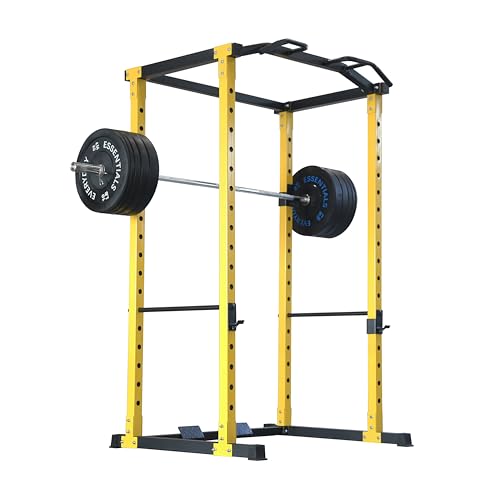
Signature Fitness Power Rack Cable Crossover Attachment
Signature Fitness Power Rack Cable Crossover Attachment, Owners report bolting this onto an existing power rack for a working low-row station in under an hour, and the pulley action reportedly mimics a commercial cable row surprisingly well.
- Turns any compatible rack into a cable station
- Solid pulley bearings, no jerky cable feel
- Works with standard weight plates
- Only fits racks with matching hole spacing
- Takes real floor clearance behind the rack

CAP Barbell Functional Trainer Cable Cross Machine
CAP Barbell Functional Trainer Cable Cross Machine, This ranks as the closest thing to a commercial cable station at this price point, with dual adjustable pulleys that let you dial in a proper seated row angle.
- Purpose-built dual pulley design
- Handles seated rows, pulldowns, and more
- Sturdy frame for its price point
- Bigger footprint than a rack attachment
- Weight stack or plate-loading adds bulk

Yes4All Lat Pulldown Low Row Cable Attachment
Yes4All Lat Pulldown Low Row Cable Attachment, It clips onto an existing rack upright and folds out of the way, so owners can switch between squats and seated rows without rearranging the whole room.
- Compact when not in use
- Budget-friendly compared to standalone machines
- Simple cable and pulley setup
- Bench positioning takes some trial and error
- Cable feels less smooth than pricier options
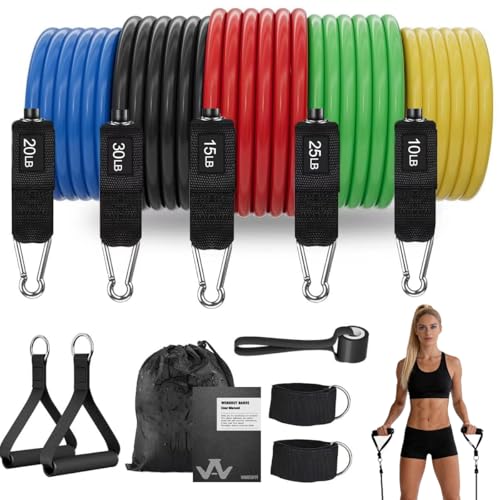
WHATAFIT Resistance Bands Set with Door Anchor
WHATAFIT Resistance Bands Set with Door Anchor, Looping the anchor around a door and sitting on the floor with legs extended delivers a surprisingly close seated-row feel for a fraction of the cost of a machine.
- Extremely portable and cheap
- Multiple resistance levels included
- No assembly or wall mounting required
- Constant tension differs from a true cable pull
- Door anchor durability varies with door type

Fit Simplify Resistance Loop and Tube Bands
Fit Simplify Resistance Loop and Tube Bands, These are light enough for a first-time lifter to practice scapular retraction, making it easy to feel the difference between arm-pulling and back-pulling.
- Very affordable entry point
- Color-coded resistance makes progression easy
- Great for form practice and warm-ups
- Not enough resistance for advanced lifters
- No fixed anchor point included

Synergee Single Handle Cable Attachment
Synergee Single Handle Cable Attachment, Swapping this handle onto a rack's cable attachment lets you alternate between neutral and overhand seated row grips in seconds, a small change that owners say noticeably affects upper-back engagement.
- Comfortable rubberized grip
- Works with most standard cable attachments
- Durable stitching on the strap
- Requires an existing cable system to attach to
- Sold separately from any machine
How we chose
We evaluated these picks the way we evaluate everything on TalkGyms: setup complexity based on the listed hardware, cable or band smoothness reported by verified owners, how well each option supports a stable seated position with a slight forward lean at the start and full retraction at the finish, and realistic value for a home setup rather than a commercial facility. Our full methodology page covers how we select gear in more detail.
What is the seated cable row machine exercise?
In commercial gyms, the seated cable row machine works via a low pulley, fixed seat, and footplate, letting you pull a handle in toward your torso while your legs stay braced and your torso remains largely upright. This is a horizontal pulling exercise, which pairs naturally with vertical pulling moves such as lat pulldowns, as well as pressing exercises performed on a bench.
At home, matching the exact commercial machine isn't necessary to achieve the same training effect. A cable attachment on a power rack, a compact functional trainer, or a resistance band anchored to a door can each replicate the seated cable row machine exercise gym pattern fairly well. The key lies in controlling the seated position and the pulling angle, rather than replicating the precise equipment.
Muscles worked
- Latissimus dorsi and rhomboids — the primary movers pulling your elbows back and shoulder blades together.
- Mid and lower trapezius — stabilize and retract the shoulder blades at the top of the pull.
- Biceps and rear deltoids — assist the pull and add elbow flexion.
- Core and lower back — work isometrically to keep your torso from swinging as you pull.
Form tips that actually matter
Start with a slight hip hinge, not a rounded back
Lean forward from the hips at the start of the row rather than rounding your spine. A rounded back under load is the single most common mistake we see with any cable or band row.
Pull with your elbows, not your hands
Think about driving your elbows behind your ribcage rather than just closing your hand around the handle. This shifts tension toward your back muscles instead of your forearms and biceps.
Avoid using momentum
It’s tempting to rock your torso back to move more weight, especially on plate-loaded attachments. Keep the movement controlled and let your back do the work, not your hips.
Which home setup fits your space?
If you already own a rack, a cable crossover or lat pulldown/low row attachment is usually the most cost-effective way to add this movement. It pairs naturally with the other gear in our power racks hub. Without a rack, and no plans to buy one, a compact functional trainer gives you a dedicated two-pulley station without modifying existing equipment. Still testing whether the movement will stick? Resistance bands from our resistance training hub are the lowest-risk way to start.
| Setup type | Best for | Space needed | Typical cost |
|---|---|---|---|
| Rack cable attachment | Owners who already have a compatible rack | Low (uses existing footprint) | $$$ |
| Standalone functional trainer | No rack, want a dedicated cable machine | Medium to large | $$$ |
| Resistance bands + door anchor | Small spaces, beginners, travel | Minimal | $ |
Programming the seated cable row machine exercise
Most lifters get good results with 3 sets of 8-12 controlled reps, two to three times per week, paired with a vertical pull like a pulldown and a pressing movement on a weight bench for balanced upper body training. If you’re building this into a full routine, our home gym hub covers how to sequence pulling and pushing days.
Seated Row Machine, Seated Rows Machine, or Seated Row Cable Machine?
Shoppers searching for a seated row machine, a seated rows machine, or a seated row cable machine are usually looking for the same core function: a low pulley, a stable seat, a way to pull a handle toward the torso. Retail listings use these terms almost interchangeably, along with “cable row station” and “low row attachment.” The wording on a product page doesn’t necessarily signal a different exercise. What actually varies is the hardware behind it: a plate-loaded pin-select machine, a rack-mounted pulley attachment, or a resistance-band setup. When comparing listings, focus less on which name a seller uses and more on the pulley mechanism, the adjustable seat or footplate, and whether the resistance range fits your current strength level.
Related guides
- Best power racks for home gyms
- Resistance bands and training tools
- Home gym setup guides
- Best weight benches
- Best adjustable dumbbells
- More buying guides
- How we rank equipment
- About TalkGyms
Ready to add cable rows to your home gym?
Compare cable attachments, functional trainers, and resistance bands built for the seated row pattern.
Frequently asked questions
Do I need a real cable machine to do seated cable rows at home?
No. A rack cable attachment, a functional trainer, or even resistance bands anchored to a door can reproduce the movement pattern effectively for most home training goals.
What muscles does the seated cable row machine exercise target?
Primarily the lats, rhomboids, and mid-traps, with secondary work for the rear delts, biceps, and core stabilizers.
How is a seated cable row different from a bent-over row?
The seated position and footplate let you isolate the pulling motion with less lower-back involvement than a standing bent-over row, which some lifters find easier on the spine.
Can beginners use resistance bands instead of a machine?
Yes, bands are a great low-cost way to learn the movement pattern and build initial strength before investing in a cable attachment or standalone machine.
How many sets and reps should I do?
Most home lifters see good results with 3 sets of 8-12 reps, two to three times per week, as part of a broader pulling and pressing routine.
What’s the most common form mistake?
Rounding the lower back at the start of the pull or using body momentum instead of controlled elbow-driven pulling.
Will a rack attachment fit any power rack?
No, hole spacing and upright dimensions vary by brand, so always check compatibility before buying an attachment.
More Buying Guides
 Jump Rope Cardio Workout: The Ropes and Routines That Actually Deliver ResultsWhat Does a Mini Barbell Do? A Real-World Breakdown for Home GymsBarbell vs. Dumbbell: Which One Should Anchor Your Home Gym?
 Why Are Dumbbells So Expensive? What Actually Drives the Price in 2026
 The Best Barbell Tricep Workout Setup for Home Gyms in 2026How to Use Dumbbells: A Beginner’s Guide to Form, Weight, and Progression