Pull-Up Bar Ab Workouts: The Best Bars for Core Training at Home
The best pull-up bar for ab training in 2026 is stable enough to handle hanging leg raises, knee raises, and windshield wipers without swaying or slipping out of a door frame. Hanging leg raises, knee raises, windshield wipers, and toes-to-bar load the abs and hip flexors in a way floor crunches can’t match. All they require is a bar rated to hold body weight through repeated hanging sets. Below, we rank the pull-up bars and power towers best suited to core-focused ab workouts, based on published specs, listing details, and what verified owners report after months of use. We also cover how to structure a pull-up bar ab workout once one is installed.
The best pull-up bars for ab workouts

ProsourceFit Multi-Grip Pull-Up/Chin-Up Bar
The angled multi-grip handles are designed to give solid hand positioning for hanging knee raises without digging into the palms, and the tension-fit design lets it install into a standard door frame in minutes with no hardware, per the listing specs.
- No drilling required
- Multiple grip angles for variety
- Easy to store
- Door frame trim can flex under aggressive kipping
- Not ideal for very tall lifters

Yes4All Power Tower with Captain's Chair
The padded arm rests positioned right below the pull-up station let you superset hanging leg raises with captain's chair knee raises without resetting equipment, which owners report makes ab days noticeably more efficient.
- Captain's chair station built in
- Sturdy steel frame
- Dip bars included for full upper-body use
- Takes up real floor footprint
- Assembly takes a while
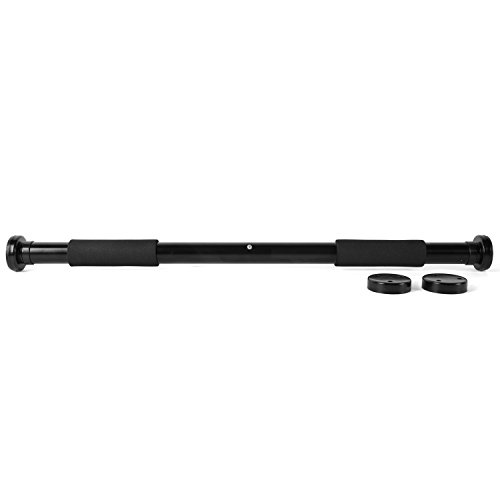
CAP Barbell Doorway Pull-Up Bar
This is the bar we'd recommend to a beginner who wants to try hanging leg raises for a few weeks before investing in anything bigger, it's inexpensive, simple to install, and comes down quickly when guests are over.
- Very affordable
- Compact when removed
- Simple tension-fit setup
- Lower weight rating than towers
- Some door frame widths won't fit

Fitness Reality X-Class Power Tower
The wider base and thicker tubing are built to stay stable during windshield wipers and toes-to-bar, exercises that put a lot of lateral load through thinner, cheaper towers.
- Very stable under dynamic movement
- Height-adjustable pull-up bar
- Doubles as dip station
- Heavier and pricier than doorway bars
- Needs several feet of clearance

Signature Fitness Wall-Mounted Pull-Up Bar
Once bolted into studs, this bar is rated to stay completely stationary through hanging L-sits and slow negative leg raises, with none of the sway some owners report on doorway bars.
- Extremely stable once mounted
- Frees up doorways entirely
- Compact wall footprint
- Requires drilling into studs
- Fixed height once installed

ATIVAFIT Power Tower
The lower step-up height on this tower is designed to make it easier to get into position for beginner-friendly hanging knee raises without needing to jump or use a box.
- Beginner-friendly height
- Padded back and arm rests
- Reasonable price for a full tower
- Slight wobble at max load
- Foam padding wears over time
How we chose
We focused on bars and towers that make sense for ab training specifically, not just pull-ups. That meant checking grip options for hanging knee raises, stability under swinging and rotational movement (windshield wipers put a lot of side-to-side load on a bar), clearance for full leg extension, and how easy each option was to install in a typical home. Price mattered too, weighed against how much core-specific volume each option realistically supports over months of use.
Doorway bar vs. Wall-mounted bar vs. Power tower
The right pull-up bar for ab work depends on your space and how hard you plan to train.
Doorway pull-up bars
Without any hardware, these bars wedge into an ordinary door frame using tension alone. You won't find a cheaper or more adaptable choice, and they hold up well for hanging knee raises and hanging leg raises done at a slower pace. Problems appear with quick, dynamic work such as kipping toes-to-bar or aggressive windshield wipers, because all of the bracing comes from the door frame. Owners report this same pattern when they take these bars past slow, controlled reps.
Wall-mounted bars
Once fitted into wall studs directly, these units are rated, according to spec sheets and owner feedback, as substantially sturdier than doorway bars. If your ab routine relies heavily on dynamic hanging movements, a wall-mounted bar justifies the additional installation effort. The downside is a fixed height, along with the need for a drill and studs positioned correctly.
Power towers
A standalone power tower comes with a captain's chair and, in many cases, dip bars as well, so you can alternate hanging leg raises with knee raises done from the captain's chair. This offers a more manageable option for those who haven't yet built up the strength to control a complete hanging raise. While towers take up the largest footprint, they need no drilling at all and can be relocated as needed.
A simple pull-up bar ab workout to start with
- Hanging knee raises: 3-4 sets of 10-15, controlled tempo, no swinging.
- Hanging leg raises: 3 sets of 8-12 once knee raises feel easy for full sets.
- Windshield wipers: 2-3 sets of 6-8 per side, only after leg raises are solid.
- Toes-to-bar: 2-3 sets to a controlled failure point, added once the above feel manageable.
Rest 60-90 seconds between sets and prioritize a slow lowering phase over reps – most people cheat the eccentric on hanging ab work long before their grip actually gives out.
Bar type comparison
| Bar type | Stability for ab work | Install effort | Best exercises | Price |
|---|---|---|---|---|
| Doorway pull-up bar | Good for controlled reps | None (tension fit) | Hanging knee raises, slow leg raises | $ |
| Wall-mounted bar | Excellent | Drilling into studs | Dynamic leg raises, windshield wipers, toes-to-bar | $$ |
| Power tower | Very good | Assembly, larger footprint | Captain’s chair raises, supersets with dips | $$-$$$ |
Related guides
- Fitness gear buying guides
- Home gym equipment
- Power racks
- Resistance training gear
- Weight benches
- How we rank gear
- About TalkGyms
Ready to start hanging ab work?
Compare top-rated pull-up bars and power towers on Amazon.
Frequently asked questions
Do pull-up bars actually work your abs?
Yes. Hanging leg raises, knee raises, and toes-to-bar all require significant core stabilization and hip flexor strength, making them among the most effective bodyweight ab exercises available.
Can beginners do pull-up bar ab workouts?
Yes, but start with hanging knee raises rather than straight-leg raises, and consider a power tower with a captain’s chair to reduce the demand on your grip while you build core strength.
How often should I do a pull-up bar ab workout?
Two to three times per week is plenty for most people, with at least one rest day between sessions to let the hip flexors and lower back recover.
Is a doorway pull-up bar strong enough for ab exercises?
For controlled hanging knee raises and leg raises, yes. For fast, dynamic movements like windshield wipers or toes-to-bar, a wall-mounted bar or power tower will feel noticeably more stable.
What’s the difference between hanging leg raises and knee raises?
Knee raises bend at the hip and knee, reducing the lever arm and making the movement easier. Leg raises keep the legs straight, increasing the load on the lower abs and hip flexors significantly.
Do I need a power tower or is a doorway bar enough?
A doorway bar is enough if you’re mainly doing controlled hanging raises. A power tower adds the captain’s chair option, which is useful for beginners and for supersetting ab work with dips.
Will a pull-up bar ab workout help build visible abs?
It strengthens and develops the ab muscles effectively, but visible definition also depends on overall body fat, which is driven primarily by diet and total activity level.
More Buying Guides
 Jump Rope Cardio Workout: The Ropes and Routines That Actually Deliver ResultsWhat Does a Mini Barbell Do? A Real-World Breakdown for Home GymsBarbell vs. Dumbbell: Which One Should Anchor Your Home Gym?
 Why Are Dumbbells So Expensive? What Actually Drives the Price in 2026
 The Best Barbell Tricep Workout Setup for Home Gyms in 2026How to Use Dumbbells: A Beginner’s Guide to Form, Weight, and Progression