No-Equipment Bicep Workout: What Actually Works (and What to Add When You Plateau)
A no-equipment bicep workout actually works when it creates real time under tension. Isometric holds, towel curls, slow-negative bodyweight curls: these follow the same principle as loaded curls, just self-resisted instead of externally loaded. Most people searching for this are either traveling or just starting out without weights yet. Either way, it’s a legitimate way to train, and there are more solid bodyweight bicep techniques circulating than ever right now. The honest truth is that bodyweight curls tend to plateau within a few weeks, simply because your own arm only weighs so much. This guide covers what actually works with zero equipment, why the progress stalls, and which cheap gear extends the same routine once you’re ready to keep building muscle.
Best affordable equipment upgrades once bodyweight bicep work plateaus

Fit Simplify Resistance Loop Bands Set
These loop bands anchor under a foot so you can curl against progressive resistance, which is the single biggest upgrade from pure bodyweight bicep work. The set spans light to heavy tension, so you're not stuck at one difficulty level.
- Five resistance levels in one pack
- Packs flat for travel
- Very cheap entry point
- Bands degrade faster than dumbbells over time
- Handles-free loops can pinch skin on heavy pulls

WHATAFIT Resistance Bands Set with Handles
The door anchor and padded handles make this a close stand-in for a cable curl machine at home, and the handles help with the grip fatigue that loop bands can cause on high-rep bicep sets.
- Door anchor included for curl variations
- Comfortable foam handles
- Carrying bag for storage
- Handles can slip on tubing over time
- Bulkier to pack than plain loops

TRX Home2 System Suspension Trainer
A TRX lets you dial in curl difficulty by changing foot position and lean angle, extending true no-equipment training further than a resistance band alone can for arm work.
- Adjustable difficulty via body angle
- Doubles for full-body training beyond arms
- Durable webbing and anchor
- Higher price than bands
- Needs a door or anchor point
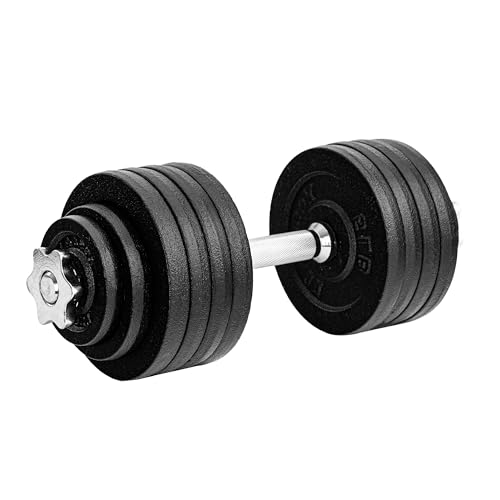
Yes4All Adjustable Dumbbells
Once bodyweight and bands stop challenging your biceps, these adjustable plates let you keep increasing load in small increments without buying a full rack of fixed dumbbells.
- Wide weight range for the price
- Compact adjustable design
- Good for curls plus other lifts
- Plate changes slower than dial dumbbells
- Handle knurling is minimal

PowerBlock Elite Adjustable Dumbbells
The selectorized pin system allows quick weight changes between curl sets, which matters once you're doing drop sets or supersets that bodyweight training can't replicate.
- Fast weight selection with pin
- Compact footprint versus a full rack
- Expandable weight range
- Higher upfront cost
- Boxy shape feels different from round dumbbells
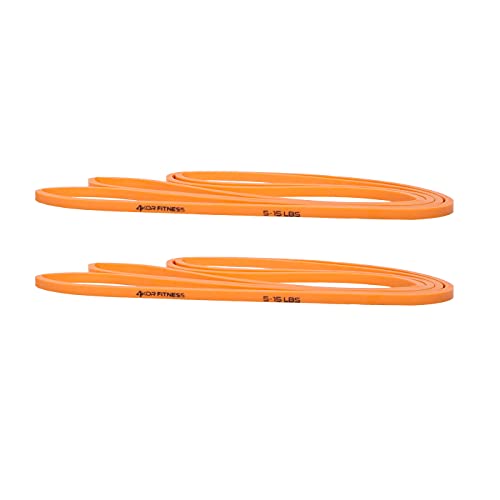
Undersun Fitness Resistance Bands
These bands are thinner and pack down smaller than most sets on the market, making them the pick if your 'no equipment' routine is really about staying flexible while traveling.
- Very light and packable
- Multiple resistance bands included
- Good grip texture on tubing
- Lower max resistance than heavier sets
- No door anchor included
How we chose these picks
These picks aren’t framed as “bicep machines,” because none of them are. Instead we evaluated them the way most people actually progress. It starts with bodyweight-only curls, then bands get added for tension, then adjustable dumbbells come in once bands stop being enough. Each pick here solves one specific bottleneck in that progression rather than trying to be a magic bicep-only product.
The no-equipment bicep exercises that actually work
Isometric curls
Hold one hand against the other at curl height for 20-40 seconds, switching arms as you go. This creates time-under-tension with no weight involved, and it works well for someone just starting out during their first few weeks of training.
Towel curls
Loop a bath towel under one foot, grip both ends, and curl against your own downward pressure on the towel. It’s the closest thing to a resistance band you can improvise with items already in your house.
Doorframe curls
Hook your fingers under a doorframe edge below chest height and pull your body slightly toward it, focusing the pull through the biceps rather than the back. Small range of motion, but it works the muscle under real tension.
Slow-negative bodyweight curls
Using a sturdy table edge, grip underneath and lower your body weight slowly through the curl motion, then use your legs to reset. The eccentric-only loading is one of the more effective free techniques we’ve seen recommended by strength coaches.
Why bodyweight-only bicep training plateaus
Biceps make up a small muscle group, so they don't require heavy loads to start growing, but they also adjust to a given stimulus fast. Most people find that after 3-6 weeks, isometric holds and towel curls alone stop producing any real soreness or fatigue, simply because body leverage alone offers no way to increase resistance further. This is precisely the moment when adding a $10-$20 resistance band set shifts the direction of your training, without the need for a full home gym.
When to add resistance bands vs. Dumbbells
If you’re still traveling often or short on storage space, resistance bands are the right next step. They pack flat, cost very little, and give you a real progressive-overload curve by stacking bands or increasing tension. If you’re training at home consistently and have even a small corner for equipment, adjustable dumbbells are the better long-term investment. Plate-based load is simply more precise and predictable than band tension, which changes throughout the range of motion.
| Stage | Best tool | Why |
|---|---|---|
| Week 1-4, no gear | Isometric and towel curls | Builds mind-muscle connection with zero cost |
| Week 4-8, plateauing | Resistance bands | Cheap, packable, adds real tension |
| Ongoing progress | Adjustable dumbbells | Precise, progressive load for continued growth |
| Travel-heavy schedule | Suspension trainer or bands | Fits in a bag, adjustable difficulty via angle |
Related guides
- Resistance training equipment guide
- Best adjustable dumbbells
- Building a home gym on a budget
- Kettlebells for arm and full-body work
- Cardio and training accessories
- More home gym guides
- How we rank fitness gear
- About TalkGyms
Ready to add resistance to your bicep routine?
Start with an affordable resistance band set before committing to dumbbells.
Frequently asked questions
Can you really build bigger biceps with no equipment?
Yes, especially as a beginner, but progress slows within a few weeks because there’s no way to add load beyond your own body’s leverage.
How long before a no-equipment bicep workout stops working?
Most people notice reduced soreness and slower gains after roughly 4-6 weeks of the same bodyweight movements.
Are resistance bands as effective as dumbbells for biceps?
They’re very effective for building tension and are cheaper and more portable, but dumbbells offer more consistent, precise load as you get stronger.
What’s the single best no-equipment bicep exercise?
Slow-negative bodyweight curls using a table edge tend to create the most noticeable fatigue among the free options.
Do I need a full home gym to keep progressing?
No. A single resistance band set or a compact pair of adjustable dumbbells is enough to keep progressing for a long time.
How often should I train biceps with no equipment?
Two to three sessions per week with a day of rest between is enough for most beginners to see progress.
Can suspension trainers like TRX replace dumbbells for arm day?
They extend bodyweight training well by letting you change leverage, but most lifters eventually still add some external resistance for continued growth.
More Buying Guides
 Jump Rope Cardio Workout: The Ropes and Routines That Actually Deliver ResultsWhat Does a Mini Barbell Do? A Real-World Breakdown for Home Gyms
 Barbell Workouts You Can Actually Do at Home (And the Gear That Makes Them Work)
 How to Do the Dumbbell Good Morning (Form Guide + Best Dumbbells for It)
 Bench Ab Workout: Best Benches for Building Real Core Strength at HomeTrap Workouts With Dumbbells: The Best Dumbbells for Building Thick Traps at Home