Lower Chest Workout With Dumbbells: Best Moves (and Gear) for a Fuller Lower Pec Line
The best lower chest dumbbell exercises are decline presses, floor presses with an elbow tuck, and low-to-high flye variations, all of which target the lower fibers of the pectoralis major more directly than flat or incline pressing. A lower chest workout with dumbbells is one of the most searched home-gym goals for 2026, and for good reason: dumbbells let you angle your arms and torso in ways a barbell can’t, which is exactly what’s needed to bias tension toward the lower chest. Whether you own an adjustable bench, a flat bench, or nothing but floor space, the right dumbbells and setup make a real difference in how well you can target this area. Below we cover the best gear for the job, the lower chest dumbbell exercises that actually work, and a full no-bench routine for anyone training in a small apartment or garage.
The best dumbbells and benches for a lower chest workout

NÜOBELL 2-in-1 Adjustable Dumbbells
The listing specifies a rotating dial that swaps weight in seconds, useful for moving between decline presses, flyes, and floor presses in one lower-chest session. Owners consistently report the compact head shape keeps low-to-body pressing angles comfortable.
- Fast dial adjustment
- Compact, no flared plates to bump a bench
- Solid, wobble-free lockout
- Premium price
- Heavier top end takes floor space

Bowflex SelectTech 552 Adjustable Dumbbells
These have been a home-gym staple for good reason: the dial system lets you drop from flat-bench pressing weight down to lighter flye weight without digging through a rack. Owners note the plate stack stays balanced overhead during decline presses.
- Trusted, widely reviewed design
- 5-52.5 lb range covers presses and flyes
- Compact cradle storage
- Boxy shape less natural for close-grip pressing
- Cradle needed for full function

PowerBlock Elite Series Adjustable Dumbbells
The block shape is designed to sit flush against the body on decline presses, matching the low-angle contact needed to target lower pec fibers. Owners report the selector pin swaps quickly once familiar with the mechanism.
- Very small footprint for the weight range it covers
- Sturdy pin-select mechanism
- Expandable with add-on kits
- Learning curve on the pin placement
- Less premium feel than dial systems

FLYBIRD Adjustable Weight Bench
The listing specifies this bench folds flat for storage while locking into decline and low-incline positions, the angle that shifts tension toward the lower pec shelf during dumbbell presses.
- True decline setting, not just flat/incline
- Folds compact for apartment storage
- Comfortable, grippy pad
- Decline angle is fixed, not infinitely adjustable
- Not rated for extremely heavy loads

Finer Form Multi-Functional Weight Bench
A no-frills bench that owners describe as holding its incline and decline settings without slipping mid-set, which is what's needed for consistent lower chest pressing form.
- Affordable for a multi-position bench
- Stable adjustment pins
- Reasonably padded
- Fewer angle increments than pricier benches
- Upholstery wears faster with heavy daily use

CAP Barbell Cast Iron Hex Dumbbells (Pair)
Fixed hex dumbbells are a smart, cheap way to start a no-bench lower chest routine on the floor, since the hex shape won't roll away between sets.
- Very affordable per pair
- Hex shape prevents rolling
- Durable coating
- Need multiple pairs as you progress
- Bulkier to store than adjustables
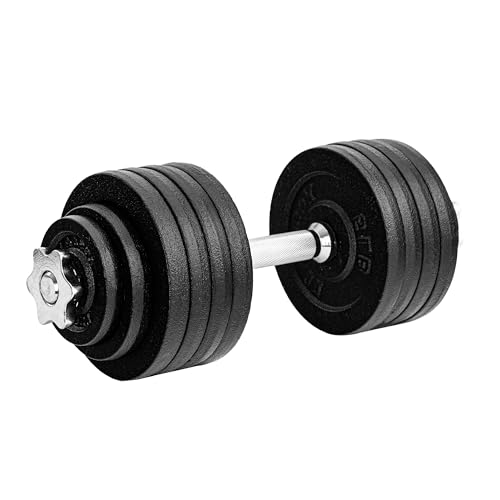
Yes4All Adjustable Dumbbells (Cast Iron Plate Style)
A no-frills spinlock system that still allows enough weight to be loaded for decline presses, at a lower cost than a dial-adjust set.
- Low cost per pound of weight
- Expandable with extra plates
- Solid connector rod
- Manual plate swaps take longer between exercises
- Collars can loosen over heavy sets
How we chose these picks
These picks were selected based on published specifications, the live Amazon listings, and what verified owners consistently report about decline and low-incline pressing angles, since that angle is what shifts emphasis toward the lower chest. We looked at grip comfort as described in owner reviews, listed adjustment speed, and how well each bench is reported to hold a decline position without sliding mid-set. Our full ranking approach is outlined on our how we rank page.
Why the “lower chest” even needs its own focus
The pectoralis major is one continuous muscle, but the angle of pressing changes which fibers do the most work. Pressing on a decline bench, or pressing with your torso positioned so your hands travel toward your hips rather than your shoulders, shifts more load onto the lower and outer portions of the chest. Flat and incline pressing tend to hit the middle and upper chest more. That’s why a dedicated lower chest workout with dumbbells usually leans on decline presses, floor presses with an elbows-tucked angle, and low-to-high cable-style flye motions adapted for dumbbells.
Best dumbbell exercises for lower chest
Decline dumbbell bench press
Set an adjustable bench to a slight decline (15-30 degrees), press the dumbbells from chest level to lockout, and focus on driving through the lower part of the chest rather than flaring the elbows wide. A bench like the FLYBIRD or Finer Form above holds this angle without shifting mid-set, which matters more than people expect once you’re pressing heavier dumbbells.
Decline dumbbell flye
Keep the bench at the same angle but use lighter dumbbells, moving through a wide arc that starts directly above your chest and lowers to about shoulder height. Since this exercise emphasises the stretch, ease into the bottom position instead of bouncing out of it.
Low-to-high dumbbell pullover variation
Position yourself on a flat bench with only your upper back making contact, then lower one dumbbell behind your head before pulling it back above your chest. This move targets the lower chest and lat tie-in at the same time, making it a finisher that doesn't get enough use.
Floor press with an elbow tuck
Lie flat on the floor, knees bent, and press dumbbells up while keeping elbows closer to your torso than a standard bench press. The shortened range of motion and tucked angle bias the lower pec fibers, and it doubles as the anchor move for anyone doing a lower chest workout with dumbbells no bench.
Lower chest workout with dumbbells, no bench required
Not everyone has room for a bench, and that’s fine. A floor-based session can still hit the lower chest hard:
- Floor press (elbow tuck): 4 sets of 8-12 reps
- Standing low-to-high dumbbell flye (single arm, staggered stance): 3 sets of 10-15 reps per side
- Floor flye: 3 sets of 10-12 reps, controlled tempo
- Dumbbell pullover (upper back on a stability ball, or supported on a low couch cushion): 3 sets of 10-12 reps
Rest 60-90 seconds between sets and keep the tempo controlled, especially on the eccentric portion of each press, since that’s where a lot of the lower-chest tension actually happens.
Choosing dumbbells for this workout
Adjustable dumbbells like the NÜOBELL or Bowflex SelectTech are the most practical choice for a lower chest workout, since you’ll want a heavier weight for presses and a noticeably lighter weight for flyes and pullovers. Fixed hex dumbbells like the CAP Barbell pair work fine too, but you’ll likely need two or three pairs to cover both movement types comfortably.
| Product | Best For | Adjustment Style | Price |
|---|---|---|---|
| NÜOBELL Adjustable Dumbbells | All-around lower chest sessions | Dial, fast swap | $$$ |
| Bowflex SelectTech 552 | Full press-to-flye range | Dial, fast swap | $$$ |
| PowerBlock Elite Series | Small spaces | Pin select | $$ |
| FLYBIRD Adjustable Bench | Decline press setup | Multi-position folding bench | $$ |
| CAP Barbell Hex Dumbbells | Beginners, floor work | Fixed weight | $ |
Programming tips
Train the lower chest 1-2 times per week, and pair it with pushing days rather than isolating it as a standalone session unless you’re specifically bringing up a lagging area. Two to three lower-chest-focused exercises per session, in the 8-15 rep range, is usually enough alongside your regular pressing work. If you’re building a full home setup around this kind of training, our home gym hub and weight bench guide can help you plan the rest of the space.
Related guides
- Best adjustable dumbbells for home use
- Best adjustable weight benches
- Home gym setup guides
- Resistance training equipment
- Kettlebell buying guides
- All fitness guides
- How we rank equipment
- About TalkGyms
Build your lower chest workout with the right dumbbells
See current pricing on adjustable dumbbells built for pressing and flye work.
Frequently asked questions
What’s the best dumbbell exercise for lower chest?
Decline dumbbell bench press is generally considered the most direct lower-chest builder, since the decline angle shifts pressing tension toward the lower pec fibers more than flat or incline pressing does.
Can I train lower chest with dumbbells and no bench?
Yes. Floor presses with an elbow tuck, standing low-to-high flyes, and floor flyes all target the lower chest effectively without any bench, making a lower chest workout with dumbbells no bench a realistic option for small spaces.
Do I need a decline bench specifically?
It helps, but it’s not mandatory. A bench that adjusts to a slight decline is ideal, though floor-based pressing with a tucked elbow angle can produce a similar lower-chest emphasis.
How heavy should my dumbbells be for lower chest work?
Choose a weight that lets you complete 8-12 controlled reps on presses and 10-15 reps on flyes with good form, since chasing heavy weight on flye-style movements often shifts stress to the shoulders instead of the chest.
How often should I do a lower chest workout?
One to two sessions per week is plenty for most lifters, ideally folded into your regular push or chest day rather than trained as an isolated session every time.
Are adjustable dumbbells worth it for chest training?
Yes, especially for chest work, since you’ll typically want a heavier weight for presses and a much lighter weight for flyes and pullovers, and adjustable sets let you switch between them in seconds.
Is the lower chest a separate muscle from the rest of the chest?
No, the pectoralis major is one muscle, but exercise angle changes which fibers bear the most load, which is why decline and floor-press variations feel different from flat bench pressing.
More Buying Guides
 Jump Rope Cardio Workout: The Ropes and Routines That Actually Deliver ResultsWhat Does a Mini Barbell Do? A Real-World Breakdown for Home Gyms
 The Best Barbell Tricep Workout Setup for Home Gyms in 2026How to Use Dumbbells: A Beginner’s Guide to Form, Weight, and Progression
 Stairmaster vs. Elliptical: Which Cardio Machine Actually Fits Your Home Gym?How to Do the Ski Erg Correctly: Technique, Common Mistakes, and Setup Tips