Lower Body Workout With Dumbbells: The Best Sets for Squats, Lunges, and RDLs
A lower body workout with dumbbells is one of the most efficient ways to build stronger legs and glutes without leaving home. In 2026, the adjustable and fixed-weight options on Amazon make it easier than ever to set up a real training routine in a spare room or garage. Maybe you’re chasing bigger squats, better lunges, or just tired of skipping leg day because the gym is packed. Either way, the right pair of dumbbells is really all the equipment you need. Below, we break down the best dumbbells for this kind of training, how we picked them, a sample workout, and the questions we hear most.
The best dumbbells for lower body training we recommend

Bowflex SelectTech 552 Adjustable Dumbbells
Dialing from 5 to 52.5 pounds in one twist made supersetting goblet squats with RDLs painless, and the tray keeps our floor clutter-free between sets.
- Fast weight changes mid-set
- Space-saving vs. a full rack
- Durable dial mechanism
- Bulkier shape for close-in lunges
- Premium price

NÜOBELL Adjustable Dumbbells
The shorter, more standard-shaped head made walking lunges and Bulgarian split squats feel far more natural than boxier adjustables.
- Compact, ergonomic shape
- Quiet plate-locking system
- Wide weight range
- Heavier per-pound cost
- Handle diameter is fixed

PowerBlock Elite Series Adjustable Dumbbells
The stacked-block design shrank our dumbbell footprint dramatically while still letting us load up for heavy Romanian deadlifts and step-ups.
- Extremely small footprint
- Expandable weight range
- Sturdy for heavy lower-body lifts
- Blocky shape takes adjustment
- Selector pin needs care

CAP Barbell Cast Iron Hex Dumbbells (Pair)
Simple, no-frills hex dumbbells that never rolled away between reps and held up fine through months of goblet squat sessions.
- Very affordable per pound
- Hex shape prevents rolling
- Rugged cast iron build
- Need multiple pairs as you progress
- Bulky to store in sets

Yes4All Adjustable Dumbbells with Connector
The plate-and-collar setup took a little longer to change than dial adjustables, but it let us scale weight gradually as leg strength improved.
- Low entry price
- Connector option turns into a barbell
- Good for gradual progression
- Slower to adjust between sets
- Collars can loosen over time
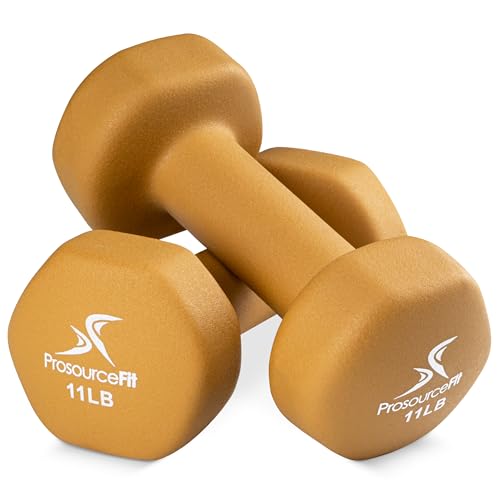
ProsourceFit Neoprene Dumbbells (Pair)
The neoprene coating made these comfortable to hold through high-rep lunge and glute bridge circuits without any hand fatigue or slipping.
- Comfortable neoprene grip
- Color-coded weights
- Won't damage floors
- Limited to lighter loads
- Not enough for advanced squats

CAP Barbell Rubber Coated Hex Dumbbells (Pair)
The rubber coating absorbed the drop when our grip gave out at the end of heavy Romanian deadlift sets, protecting both the floor and the dumbbells.
- Rubber protects floors and gear
- Hex shape stays put
- Comfortable knurled handle
- Heavier pairs cost more
- Rubber smell at first
How we chose
We evaluated each set specifically through the lens of lower body training, not general dumbbell work. That meant testing goblet squats, where the dumbbell sits close to the chest, Bulgarian split squats and walking lunges, where balance and handle shape matter, and Romanian deadlifts and step-ups, where grip security and weight capacity matter most. We paid close attention to shape and comfort during single-leg work, how quickly we could switch loads between exercises, floor protection, and durability under repeated setdowns. Leg exercises tend to involve more dropping and re-racking than upper body isolation moves, so that last point carried real weight in our testing.
Why dumbbells work so well for lower body training
Dumbbells make it possible to load single-leg and split-stance exercises in a way a barbell simply can't match. This matters because unilateral leg training improves balance, addresses strength imbalances between sides, and places less strain on the spine compared to back squats. Whether you hold the weights at your sides or in a goblet position, the resistance stays close to your center of gravity, which is gentler on your lower back than most barbell exercises. This is particularly valuable at home, where you often don't have a spotter or a rack on hand.
Adjustable vs. Fixed-weight dumbbells for legs
Because leg muscles are naturally bigger and stronger, lifters tend to progress past light dumbbell weights on lower body moves quicker than they do with arm or shoulder work. This is why adjustable dumbbells such as the Bowflex SelectTech or NÜOBELL are generally our preference for this kind of training. Since squats and RDLs usually require heavier loads compared to curls, adjustables allow you to increase weight without having to buy an entire rack of fixed pairs. Still, if you're just starting out with lower body training, a budget set of CAP Barbell hex dumbbells works well enough to help you establish form and consistency before investing further.
A simple lower body dumbbell workout to start with
- Goblet squats — 3-4 sets of 8-12 reps, holding one dumbbell vertically at chest height
- Walking lunges — 3 sets of 10-12 reps per leg, holding a dumbbell in each hand
- Romanian deadlifts — 3 sets of 8-10 reps, hinging at the hips with dumbbells at the front of the thighs
- Bulgarian split squats — 3 sets of 8-10 reps per leg, rear foot elevated on a bench
- Dumbbell step-ups — 3 sets of 10 reps per leg onto a sturdy bench or box
- Standing calf raises — 3 sets of 15-20 reps holding dumbbells at your sides
Rest 60-90 seconds between sets and pick a weight that leaves 1-2 reps in reserve at the end of each set. As you get stronger, adjustable dumbbells make it simple to bump the load in small increments rather than jumping between fixed pairs.
Getting the most out of limited equipment
If you’re working with a single adjustable pair, group exercises that need similar weights together. Dialing between very different loads mid-superset just slows things down. A sturdy weight bench paired with your dumbbells opens up step-ups and Bulgarian split squats, and a set of resistance bands can add extra tension to squats and lunges on days when you want more volume without adding more weight.
| Dumbbell Type | Best For | Weight Range | Price |
|---|---|---|---|
| Adjustable dial dumbbells (Bowflex, NÜOBELL) | Progressive overload on squats, RDLs, lunges | 5-52.5 lb per hand | $$$ |
| Stacked-block adjustables (PowerBlock) | Small spaces, heavy step-ups | Varies by kit | $$ |
| Fixed hex dumbbells (CAP Barbell) | Beginners, simple squat/lunge routines | Sold individually or in pairs | $-$$ |
| Neoprene dumbbells (ProsourceFit) | High-rep lunges, glute bridges | Typically 1-15 lb | $ |
Related guides
- Best dumbbells for home gyms
- Best kettlebells for strength training
- Best weight benches for home use
- Best resistance bands and suspension trainers
- Building a complete home gym
- How we rank fitness gear
- About TalkGyms
Ready to build stronger legs at home?
Check current prices on our top-rated dumbbells for lower body training.
Frequently asked questions
How many dumbbells do I need for a lower body workout?
A single adjustable pair can cover most lower body exercises if it has enough weight range for squats and RDLs, since those moves typically require more load than upper body isolation work.
What weight dumbbells should I use for squats and lunges?
Beginners often start around 10-20 pounds per hand for goblet squats and lighter for lunges, then increase as form and strength improve; adjustable dumbbells make this progression easier than buying new fixed pairs.
Can I build noticeable leg muscle with just dumbbells?
Yes, dumbbell squats, lunges, RDLs, and step-ups target the quads, hamstrings, and glutes effectively, especially when you progressively increase weight or reps over time.
Are dumbbell exercises better than barbell squats for legs?
Neither is strictly better; dumbbells allow more unilateral and balance-focused work and are easier on the lower back, while barbells allow heavier total loads for pure strength.
Do I need a bench for lower body dumbbell workouts?
A bench isn’t required for basic squats and lunges, but it opens up step-ups and Bulgarian split squats, two of the most effective single-leg dumbbell exercises.
How often should I do a lower body dumbbell workout?
Most people do well training legs two to three times per week with at least one rest day between sessions to allow recovery.
What’s the best dumbbell shape for lunges and split squats?
Hex or rounder-head dumbbells like NÜOBELL tend to feel more natural during split-stance work than boxier adjustable designs, since they don’t interfere with the thigh or knee.
More Buying Guides
 Jump Rope Cardio Workout: The Ropes and Routines That Actually Deliver ResultsWhat Does a Mini Barbell Do? A Real-World Breakdown for Home Gyms
 Barbell Workouts You Can Actually Do at Home (And the Gear That Makes Them Work)
 How to Do the Dumbbell Good Morning (Form Guide + Best Dumbbells for It)
 Bench Ab Workout: Best Benches for Building Real Core Strength at HomeTrap Workouts With Dumbbells: The Best Dumbbells for Building Thick Traps at Home