Kettlebell Windmill Exercise: How to Do It Right (and the Best Kettlebells for It)
The kettlebell windmill works like this: press or clean one kettlebell overhead, lock that arm out, then hinge sideways at the hips while your eyes stay on the bell until you’re standing again. Some lifters search for this move as the “kb windmill.” Same technique either way, same coaching cues. It combines a hip hinge, shoulder stability work, and core control into a single drill, and it’s earned a permanent spot in mobility-focused strength programs. Add it to a warm-up or use it as a standalone accessory movement. Either way, the kettlebell you pick matters more than most people expect. This guide covers proper form, the mistakes that show up most often, and which kettlebells actually make the movement easier to learn and safer to load.
The best kettlebells for practicing the windmill
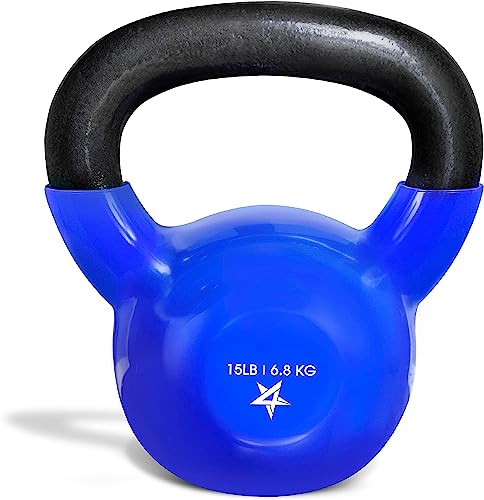
Yes4All Vinyl Coated Kettlebell
The listing specifies a wide, flat base designed for stable overhead racking, which helps beginners hold a steady lockout while hinging into the windmill.
- Affordable across sizes
- Flat bottom for stability when set down mid-set
- Vinyl coating protects floors
- Handle can feel slightly thick for smaller hands
- Paint chips with heavy floor contact over time

CAP Barbell Cast Iron Kettlebell
This cast iron bell has a smooth handle finish that owners note stays comfortable during the extended overhead hold the windmill demands.
- Durable cast iron construction
- Smooth handle reduces skin irritation
- Wide range of weights available
- No handle knurling for chalk grip
- Slightly narrower base than premium bells

Kettlebell Kings Powder Coat Kettlebell
The powder coat finish is designed to give extra grip during the overhead lockout, which owners say matters once you start loading the windmill's single-arm hold.
- Excellent grip texture
- Consistent size across weight increments
- Comfortable handle diameter
- Pricier than basic cast iron options
- Limited retailer availability at times

ATIVAFIT Adjustable Kettlebell
Being adjustable lets you dial the weight down while you're still learning the hip hinge and shoulder stability, then increase it later as your windmill improves.
- Saves space versus a full rack of bells
- Adjustable weight in one unit
- Compact footprint
- Handle shape differs from traditional cast iron
- Adjustment dial needs occasional checking mid-session

ProsourceFit Kettlebell
Light starting weights and a forgiving vinyl coating make this a low-stress option for learning the windmill's hip hinge before moving to bare iron.
- Good light-weight options for learning form
- Vinyl coating is gentle on floors and shins
- Budget-friendly
- Vinyl can wear over years of heavy use
- Higher weights aren't as widely stocked

Signature Fitness Kettlebell
This cast iron bell is built with even weight distribution, which the spec sheet and owner reviews suggest keeps it feeling balanced overhead during slow windmill reps.
- Even weight distribution
- Reasonable pricing per pound
- Wide weight range
- Basic finish, no premium grip coating
- Handle width varies slightly by batch
How we chose these kettlebells
We looked at grip texture, base stability, handle coatings, and weight consistency, drawing on both manufacturer specs and feedback from verified owners. Poor kettlebell design becomes obvious quickly during the windmill. If a bell shifts in your palm or has a rough handle, your form will break down before your muscles even tire. That's why we gave preference to bells that owners repeatedly describe as steady during a slow, controlled overhead lockout.
What is the kettlebell windmill exercise?
Performed from a standing position, the windmill has you press or hold a kettlebell overhead with one hand, keep that working arm locked, and hinge sideways at the hips while your gaze follows the bell. This one movement builds shoulder stability, lat and oblique control, hamstring flexibility, and total-body coordination simultaneously, a combination few other kettlebell moves can match.
Step-by-step form
- Press or clean a kettlebell overhead with, say, your right arm, feet turned slightly outward, toes pointing roughly 45 degrees away from the loaded side.
- Keep the right arm locked out and your eyes fixed on the bell the entire rep.
- Push your hips back and to the right as you hinge, letting your left hand slide down your left leg toward the floor.
- Keep your chest rotated slightly upward toward the ceiling rather than folding forward.
- Reverse the hinge, driving your hips forward to return to standing, keeping the bell locked overhead throughout.
Common mistakes we see
- Bending the working arm. The overhead arm should stay locked the entire rep, a bent elbow turns this into a shoulder press with extra steps.
- Rounding the lower back. This is a hip hinge, not a spinal flexion movement. If your lower back rounds, reduce the range of motion or the weight.
- Going too heavy too soon. Because the bell is held overhead in an unfamiliar plane, even experienced lifters should start lighter than they think they need.
- Losing eye contact with the bell. Watching the kettlebell overhead helps keep your torso oriented correctly and catches instability before it becomes a wobble.
How much weight should you use?
Most people should start with 8-12 pounds (roughly 4-6 kg) if they’re new to overhead kettlebell work, even if they can press heavier weights elsewhere. The windmill’s demand is stability, not raw strength, so lighter loads with clean form beat heavier loads with a shaky lockout every time.
| Experience Level | Suggested Starting Weight | Focus |
|---|---|---|
| Beginner | 6-10 lbs | Learning the hinge pattern and overhead lockout |
| Intermediate | 10-18 lbs | Building shoulder stability and range of motion |
| Advanced | 18-30+ lbs | Loaded stability and full-range control |
Where the windmill fits in your training
Many trainees perform the windmill early in a workout, using it to warm up before overhead presses or squats because it loosens the hips and hamstrings while activating the shoulder stabilizers. Some prefer to leave it until the close of a session, treating it as a targeted exercise for mobility and core work. If you're putting together a wider kettlebell program, it fits well alongside Turkish get-ups and single-arm overhead carries.
Related guides
- Best kettlebells for home use
- Best adjustable dumbbells
- Resistance training equipment guide
- Best weight benches
- Recovery tools and mobility gear
- More home gym guides
- How we rank equipment
- About TalkGyms
Ready to add windmills to your routine?
See current prices on the kettlebells we recommend for windmill training.
Frequently asked questions
What muscles does the kettlebell windmill work?
It primarily targets the obliques, lats, glutes, and hamstrings on the hinging side, while the shoulder stabilizers of the overhead arm work isometrically throughout the movement.
Is the kettlebell windmill good for beginners?
Yes, as long as you start with a very light kettlebell and prioritize the hip hinge pattern before adding overhead load. Many coaches teach it with no weight at all first.
How is the windmill different from a Turkish get-up?
The windmill is a standing hinge with the bell locked overhead, while the get-up transitions through lying, kneeling, and standing positions. They train overlapping but distinct skills.
Can the windmill help with back pain?
When done correctly with a proper hip hinge and controlled range of motion, many lifters find it improves hip and hamstring mobility, but anyone with existing back issues should check with a professional first.
What size kettlebell is best for windmills?
Most beginners do well with an 8-15 pound kettlebell, while intermediate and advanced lifters often progress to 18-35 pounds depending on shoulder stability and hamstring flexibility.
Should I use one kettlebell or two for this exercise?
The traditional windmill uses a single kettlebell held overhead, though some variations hold a light weight in the lower hand for added counterbalance or grip work.
How many reps and sets should I do?
Two to three sets of 5-8 controlled reps per side is a common starting point, prioritizing clean form over volume.
More Buying Guides
 Jump Rope Cardio Workout: The Ropes and Routines That Actually Deliver ResultsWhat Does a Mini Barbell Do? A Real-World Breakdown for Home GymsBarbell vs. Dumbbell: Which One Should Anchor Your Home Gym?
 Why Are Dumbbells So Expensive? What Actually Drives the Price in 2026
 The Best Barbell Tricep Workout Setup for Home Gyms in 2026How to Use Dumbbells: A Beginner’s Guide to Form, Weight, and Progression