Kettlebell Forearm Workout: Best Kettlebells and Moves for Grip Strength
The best kettlebell forearm workout pairs farmer carries, one-arm swings, bottoms-up presses, and rack-position holds with a kettlebell whose handle shape and surface texture match your grip goals: a single bell can hit crush grip, pinch grip, wrist flexion, and grip endurance in one session, which is more than most wrist rollers or grip trainers can claim. Below we break down the kettlebells that spec sheets and owner reports consistently point to as strong choices for forearm-focused circuits in 2026, plus how to structure a session that actually builds lasting grip strength instead of just fatiguing your hands for an hour.
The best kettlebells for a forearm and grip-strength workout
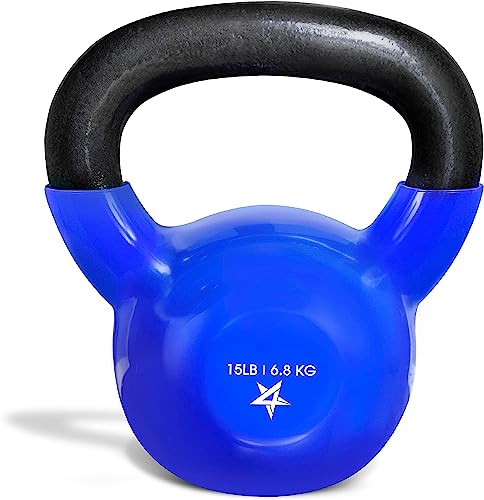
Yes4All Vinyl Coated Kettlebell
The flat bottom and wide handle make it easy to rack one-arm swings and farmer carries without the shell catching your forearm mid-set. The handle is a touch thick for smaller hands, but that extra thickness is actually a plus for grip work.
- Very affordable per pound
- Wide, textured handle builds crush grip
- Flat base stands upright for rack drills
- Vinyl coating can crack over years
- Handle diameter varies slightly by weight

CAP Barbell Cast Iron Kettlebell
A single-piece cast iron build with a smooth, evenly-shaped handle that's built to hold up to hundreds of reps of swings and offset carries without creating hot spots. Its consistent handle shape across weights makes it a solid base for forearm-focused circuits.
- Solid single-cast construction, no seams to snag skin
- Consistent handle shape across sizes for progressive overload
- Wide weight range available
- Handle can feel slick when hands sweat
- Heavier bells are pricier per pound than adjustable options

PowerBlock Adjustable Kettlebell
Small weight increments make it easy to isolate forearm fatigue without swapping bells, which is ideal for structuring farmer-carry ladders. The handle is narrower than cast iron models, which some lifters prefer for pull-ups off the handle.
- Space-saving, replaces a full rack of bells
- Quick weight changes between sets
- Durable selector mechanism
- Handle shape differs from standard cast iron bells
- Higher upfront cost than a single fixed kettlebell

ATIVAFIT Cast Iron Kettlebell Set
Three graduated weights let newer lifters progress into loaded carries without buying bells one at a time. The vinyl coating also protects floors during rack-position holds.
- Three weights cover a useful progression
- Vinyl coating protects floors and furniture
- Good value for a multi-weight starter set
- Lighter weights limit long-term forearm overload
- Coating shows wear faster than bare cast iron

Signature Fitness Kettlebell
The powder-coated finish gives a grittier hold than painted competition-style bells, which owners say makes forearms work harder during single-arm swings and windmills.
- Textured powder coat improves grip feel
- Solid, well-balanced casting
- Competitive pricing for the weight
- Powder coat can chalk up hands over time
- Limited color/weight labeling options

ProsourceFit Kettlebell
A smaller footprint and vinyl coating make this a solid pick for quick farmer-carry finishers when floor space is tight. The handle is smooth rather than knurled, so it suits lighter grip-endurance work more than max-effort holds.
- Compact, easy to store
- Floor-friendly vinyl coating
- Budget-friendly
- Smooth handle limits heavy-load grip training
- Fewer weight options at the top end
How we chose
This list is built around the moves that best target grip and forearm strength: one-arm swings, farmer carries, bottoms-up presses, and rack-position holds, and how each kettlebell’s design supports them based on specs and owner feedback. We looked closely at handle diameter, surface texture (smooth vs. Powder-coated vs. Vinyl), and how the shell is built to hold up when bells are set down hard, which owners note happens constantly during grip fatigue sets. Bells that owners report cause hot spots or slip during sweaty, high-rep sets were ranked lower; ones with a consistent handle shape across weights scored highest because that consistency matters when you’re trying to progress load over months.
What a kettlebell forearm workout actually trains
Crush grip
This is the squeeze between fingers and palm, trained by farmer carries, thick-handle holds, and heavy swings. Cast iron kettlebells with a slightly wider handle (like our CAP Barbell pick) bias toward this more than adjustable bells with narrower grips.
Support grip / grip endurance
Holding kettlebells in the rack position or carrying them over distance builds your capacity to sustain a grip over time, rather than testing peak strength. Using lighter bells to extend time-under-tension suits this purpose well, and a graduated set such as the ATIVAFIT proves useful in this context.
Wrist and forearm flexors/extensors
When you do bottoms-up presses and kettlebell wrist curls, the load goes straight to the muscles responsible for keeping your wrist stable. Because these exercises quickly expose any handle that is slippery or unstable, the texture of the handle counts for more with them than it does with swings.
A simple kettlebell forearm circuit
- Farmer carries: 3-4 rounds of 40-60 feet per side, heaviest bell you can hold with good posture.
- One-arm swings: 3 sets of 12-15 per side, moderate weight, focus on gripping through the whole rep.
- Bottoms-up carries or presses: 3 sets of 5-8 per side with a lighter bell than your swing weight.
- Rack-position march or hold: 2-3 sets of 20-30 seconds per side.
Buying considerations
Handle diameter
Thicker handles overload crush grip faster; thinner or adjustable-style handles let you do more volume without the forearms fatiguing prematurely. If your main goal is forearm size and grip strength specifically, err toward a slightly thicker handle.
Surface texture
Powder-coated bells offer a firmer grip once your palms start sweating, though they tend to leave chalk residue on your hands fairly fast. Vinyl-coated bells go easier on flooring and suit beginners well, but they can turn slippery when the load gets heavy.
Weight range and progression
A single fixed kettlebell works for a while, but forearm and grip strength adapt quickly. Either an adjustable kettlebell or a small graduated set will keep you progressing longer than one bell alone.
| Kettlebell | Handle feel | Best forearm move | Price |
|---|---|---|---|
| Yes4All Vinyl Coated | Wide, textured | Farmer carries | $ |
| CAP Barbell Cast Iron | Smooth, consistent | One-arm swings | $$ |
| PowerBlock Adjustable | Narrow, sturdy | Progressive holds | $$$ |
| ATIVAFIT Set | Coated, varied sizes | Beginner progression | $$ |
| Signature Fitness | Powder-coated, grippy | Heavy swings | $$ |
| ProsourceFit | Smooth, compact | Endurance carries | $ |
Related guides
- Best kettlebells hub
- Best adjustable dumbbells
- Resistance training gear
- Best weight benches
- Recovery tools for sore hands and forearms
- More TalkGyms buying guides
- How we rank fitness equipment
Ready to build grip strength?
See current prices on our top-rated kettlebells for forearm and grip training.
Frequently asked questions
Do kettlebell swings really work forearms?
Yes: the deceleration and grip-holding phase of each swing repeatedly loads your forearm flexors, especially during one-arm swings where you also fight rotation.
What size kettlebell is best for forearm training?
Most people get the best results using two weights: a moderate bell for swings and carries, and a lighter one for bottoms-up holds and wrist work.
How often should I do a kettlebell forearm workout?
Two to three times per week is plenty; grip and forearm muscles fatigue and recover faster than large muscle groups but still need rest days.
Can kettlebell training replace a grip trainer?
For most lifters, yes: farmer carries and bottoms-up work train grip more functionally than spring-loaded grip trainers, though grippers can supplement crush-grip strength.
Is a smooth or textured handle better for grip work?
Textured or powder-coated handles help during sweaty, high-rep sets, while smooth handles are fine for lighter, technique-focused work.
Should beginners start with a kettlebell set or a single bell?
A small graduated set is usually better for beginners since forearm strength improves quickly and you’ll want to size up sooner than expected.
Can kettlebell forearm training help with wrist pain?
Light bottoms-up work and controlled wrist curls can build resilience, but if you have existing wrist pain, check with a professional before loading it further.
More Buying Guides
 Jump Rope Cardio Workout: The Ropes and Routines That Actually Deliver ResultsWhat Does a Mini Barbell Do? A Real-World Breakdown for Home Gyms
 How to Do the Dumbbell Good Morning (Form Guide + Best Dumbbells for It)
 Bench Ab Workout: Best Benches for Building Real Core Strength at HomeTrap Workouts With Dumbbells: The Best Dumbbells for Building Thick Traps at Home
 Treadmill Sprint Workouts: How to Do Them Safely (and the Treadmills That Can Handle Them)