Home Gym Workout Essentials: The Equipment That Actually Gets Used in 2026
The real home gym essentials are fewer than most guides suggest. Adjustable dumbbells, a sturdy bench, one kettlebell, and a resistance band set cover most training needs before a rack matters at all. Home setups usually fail for the same reasons, too much gear, too little floor space, and equipment purchased before anyone knows their true training frequency. This guide narrows at-home gym equipment down to what survives a normal week in an apartment corner, half a garage bay, or a spare bedroom. It covers what to buy first, what to add later, and how to turn those pieces into a routine that actually gets repeated in 2026.
The home gym workout equipment we keep coming back to

NÜOBELL Adjustable Dumbbells
The dial-free flip mechanism is faster in a sweaty superset than most selectorized designs, and the shape feels close to a fixed dumbbell rather than a block. It's the adjustable dumbbell that shows up most often in home gym workout routines built around supersets.
- Fast weight changes mid-set
- Compact footprint, no separate rack needed
- Comfortable grip shape
- Pricier than plate-loaded options
- Heavier top end is a two-hand lift to adjust

PowerBlock Elite Series Adjustable Dumbbells
The nesting block shape trims a good foot of floor space compared to round adjustables, which matters when your 'home gym' is a bedroom corner.
- Smallest footprint of any adjustable we've used
- Expandable weight range later
- Stable pin-select system
- Boxy shape takes getting used to
- Selector pin can stick if plates are dusty

Yes4All Cast Iron Kettlebell
A single kettlebell adds an entirely different movement pattern to a dumbbell-only workout, and owners consistently point to this one's flat base and wide handle holding up well through regular swing sessions.
- Very low price per pound
- Wide handle works for two-hand swings
- Flat base stands upright between sets
- Vinyl coating on lower weights can chip
- No adjustability, need multiple sizes over time

REP Fitness AB-3000 Adjustable Bench
The bench is the piece most people skip and most regret skipping. It folds flat for storage, and owners who use it for heavier bench and incline work report it holds steady without flexing or squeaking.
- Solid, minimal wobble at higher weights
- Multiple incline/decline positions
- Folds for storage
- Limited availability compared to online-only brands
- Padding is firm, not plush

FLYBIRD Adjustable Weight Bench
It won't feel like a commercial bench, but it folds down thin enough to slide under a bed, and that matters more than most buyers expect once the equipment starts piling up.
- Folds very flat for storage
- Easy to move one-handed
- Good price for the adjustability offered
- Frame flexes slightly on heavy incline presses
- Recline angles are limited

Fit Simplify Resistance Bands Set
A set of these is easy to keep near the squat rack for band pull-aparts and glute activation before the main lifts. They pack flat and cost less than a single dumbbell.
- Extremely portable and cheap
- Good for warmups and rehab work
- Multiple resistance levels included
- Bands eventually wear out with heavy daily use
- Not a real substitute for heavier loading
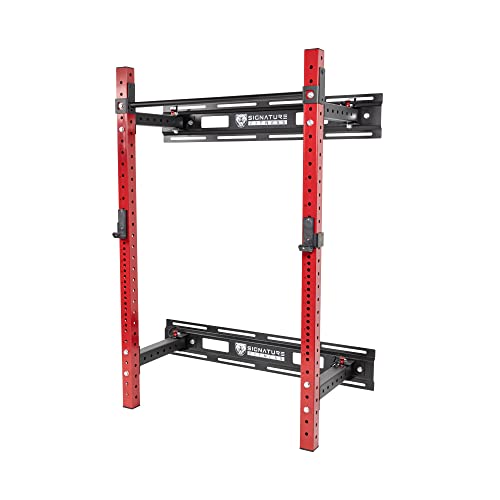
Signature Fitness Squat Rack with Pull-Up Bar
Once dumbbells stop being enough, this is the natural next step. It's not a full power cage, but it handles squats, presses, and pull-ups in a footprint that fits most garages.
- Handles squats, bench, and pull-ups in one unit
- More affordable than a full power rack
- Reasonably easy assembly for the category
- Less overall stability than a bolted-down cage
- J-hooks are more basic than premium rack brands
How we chose
Everything on this list is chosen from published specs, the live Amazon listing, and patterns that show up again and again in verified owner reviews. We weigh floor space against usefulness, how each piece is reported to hold up after months of regular use, and whether it can handle the casual bumping and dropping of a real house rather than a showroom. Our full ranking approach is on our how we rank page.
What you actually need to start
You don’t need a garage full of machines to run a legitimate home gym workout. Three categories cover most programs:
Adjustable dumbbells first
If we could only recommend one purchase, it’s adjustable dumbbells. A single pair replaces a rack that would otherwise eat a wall, and they scale from beginner presses to heavier Bulgarian split squats as you progress.
A bench, before a rack
An adjustable weight bench unlocks presses, rows, step-ups, and Bulgarian splits—more new exercises per dollar than almost anything else on this list. Buy it before a barbell setup.
Kettlebells for the movements dumbbells don’t do well
Swings, goblet squats, and carries are awkward with a dumbbell but natural with a kettlebell. One moderate-weight bell adds real variety for not much money.
Bands for warmups and off days
Resistance bands aren’t a serious loading tool for advanced lifters, but they’re the best warmup and mobility investment in this entire guide, and they travel.
When to add a rack
Once bodyweight and dumbbell work stop being challenging—usually a few months in for most beginners—a squat stand or power rack is the logical next step. It’s the single biggest space and budget commitment on this list. We’d rather people wait until they know they’ll use it three or four times a week than buy it upfront and let it become a laundry rack.
Sample weekly split using this equipment
| Day | Focus | Main equipment |
|---|---|---|
| Monday | Push (chest, shoulders, triceps) | Adjustable dumbbells, bench |
| Tuesday | Pull (back, biceps) | Bands, dumbbells, pull-up bar if available |
| Wednesday | Rest or light cardio | Bodyweight or a walk |
| Thursday | Legs and glutes | Kettlebell, dumbbells, bench for step-ups |
| Friday | Full body / conditioning | Kettlebell swings, dumbbell circuits, bands |
Space and budget realities
A functional home gym corner needs roughly 6×6 feet to accommodate dumbbells, a bench, and a kettlebell. If you throw in a squat rack, plan for closer to an 8×8 footprint, plus enough ceiling height to fit a pull-up bar. On the cost side, a truly practical starter setup—adjustable dumbbells, a folding bench, one kettlebell, and a band set—comes in well below the price of just one month at some gyms. And once you've bought it, it's yours for good.
Home Gym Essentials Checklist
If you’re starting from an empty room, the home gym essentials worth buying first are the same four categories covered above, just laid out in the order that keeps cost and clutter under control:
- Adjustable dumbbells for pressing, rowing, and lower-body work
- A folding adjustable bench for presses, step-ups, and rows
- One kettlebell for swings, carries, and goblet squats
- A resistance band set for warmups and mobility work
- A squat rack once dumbbell and bodyweight work stop being enough
That short list also turns out to be the most space-efficient version of at-home gym equipment you could assemble. A dedicated room isn't necessary for any of it. Most pieces can be stored against a wall or tucked under a bed, and each one has a place in the weekly split below.
Related guides
- Best adjustable dumbbells
- Best kettlebells
- Best weight benches
- Best power racks
- Best resistance bands and suspension trainers
- Complete home gym setup guides
- More buying guides
- About TalkGyms
Start with adjustable dumbbells
They're the single most useful piece of equipment for a home gym workout routine.
Frequently asked questions
How much equipment do I actually need for a home gym workout?
Adjustable dumbbells, a bench, and a resistance band set cover most beginner and intermediate programs. A kettlebell and eventually a squat rack round things out as you progress.
Can I get a full workout with just dumbbells?
Yes, for months. Dumbbell-only programs can cover pushing, pulling, and leg work; the main gap is heavy squatting and deadlifting patterns that benefit from a barbell later.
How much space does a basic home gym setup need?
A dumbbell-and-bench corner fits in roughly 6×6 feet. Adding a rack or barbell setup typically needs closer to 8×8 feet with some ceiling clearance.
Is it better to buy a rack or dumbbells first?
Dumbbells and a bench first. They’re cheaper, more space-efficient, and cover more exercises per dollar. Add a rack once bodyweight and dumbbell work stop being challenging.
How often should I do a home gym workout each week?
Three to five sessions a week is realistic for most people, split between push, pull, and leg-focused days with a rest or light cardio day mixed in.
Do resistance bands actually help in a home gym workout?
Yes, mainly for warmups, mobility work, and light accessory movements. They’re not a substitute for heavier dumbbell or barbell loading as you get stronger.
What’s the most commonly wasted home gym purchase?
Large all-in-one cable machines and overly heavy adjustable dumbbell sets bought before someone knows their real training frequency. Start smaller and scale up.
More Buying Guides
 Jump Rope Cardio Workout: The Ropes and Routines That Actually Deliver ResultsWhat Does a Mini Barbell Do? A Real-World Breakdown for Home Gyms
 Forearm Workouts With Dumbbells: The Best Sets for Grip and Wrist StrengthThe Real Benefits of a Rowing Machine (And Who It’s Actually Best For)Barbell vs. Dumbbell: Which One Should Anchor Your Home Gym?Why Are Dumbbells So Expensive? What Actually Drives the Price in 2026