The Real Cost of Gym Flooring for a Home Gym (What Actually Holds Up)
Dense rubber beats foam for most home gyms. It resists denting under rack feet and dropped plates, cuts impact noise, and outlasts foam by years, even though it costs more upfront. That tradeoff is the real question behind this guide to home exercise room flooring in 2026. People tend to put off buying gym flooring until a dropped dumbbell dents the concrete or a downstairs neighbor starts complaining about treadmill thumps. More garages, basements, and spare rooms are turning into weight rooms, so the flooring question comes up almost as often as the equipment itself. This guide covers what actually holds up, what’s genuinely cheap versus what only looks cheap until it wears out, and what a realistic flooring budget looks like depending on how you train.
The best gym flooring we'd actually put under a rack
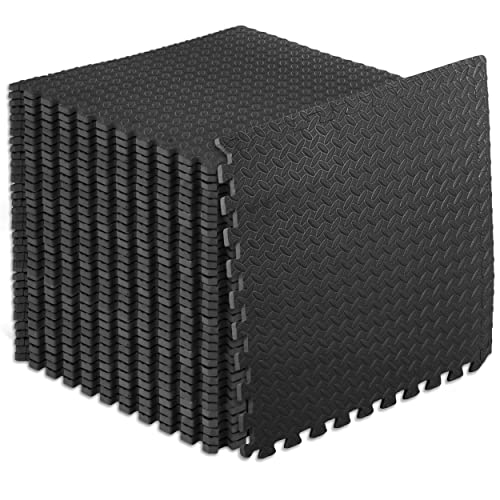
ProsourceFit Puzzle Exercise Mat
The listing specifies 3/4-inch tiles rated to quiet treadmill noise and cushion floor work, and owners consistently report the interlocking edges snap together without gaps even on slightly uneven concrete.
- EVA foam is soft on knees and elbows
- Covers large areas cheaply
- Easy to cut around walls with scissors
- Dents under a loaded barbell or rack feet over time
- Foam smell takes a few days to air out

BalanceFrom Puzzle Exercise Mat
This is the mat most people buy first, and for good reason, it's inexpensive per square foot, and owners note it installs in an afternoon with zero tools.
- Lowest cost per square foot on this list
- Lightweight and easy to store or move
- Good for stretching and bodyweight work
- Thinner foam compresses faster under heavy dumbbells
- Not rated for barbell drops

Rubber-Cal Recycled Rubber Flooring Rolls
This is real gym-grade rubber, the kind commercial gyms roll out under platforms, and owners consistently report it absorbs impact from dropped plates without cracking or shifting.
- Handles dropped weight and rack feet without denting permanently
- Cuts noise transfer to rooms below far better than foam
- Seams stay flat once weighted down
- Heavy and awkward to carry and cut solo
- Higher upfront gym flooring cost than foam tiles

IncStores Rubber Interlocking Tiles
These tiles give you the density of rolled rubber but in manageable, modular pieces, which makes fitting them around a rack or bench far less of a puzzle.
- Rubber durability without hauling a huge roll
- Individual tiles are replaceable if damaged
- Good grip for lifting shoes
- Visible seams versus a single rubber roll
- Pricier per square foot than foam

Gorilla Grip Extra Large Exercise Mat
Instead of interlocking pieces, this is one continuous mat, which is handy if you just need to protect flooring under one machine without a full room install.
- No seams to align or gaps to fill
- Non-slip backing keeps it from creeping on hardwood
- Simple to roll up and store
- Not thick enough for heavy barbell work
- Can curl at the edges initially

CAP Barbell Rubber Stall Mat
These thick rubber mats were built for livestock stalls, and the spec sheet's thickness combined with owner reports suggests they shrug off dropped kettlebells and rack impacts better than almost anything foam-based.
- Extremely dense, near indestructible under normal home-gym use
- Great value versus specialty gym rubber
- Doubles as a noise dampener for apartment or upstairs gyms
- Very heavy per mat, tough for one person to move
- Strong rubber smell at first
How we chose
We focused on products that are widely sold, well-reviewed, and represent distinct categories, not six versions of the same foam tile. We compared thickness against actual use case: cardio, free weights, or barbell drops. We also looked at what owners report about noise and vibration control, how straightforward each option is to install alone based on manufacturer instructions and reviews, and price per square foot, since that’s how most people actually budget flooring for a room.
Foam tiles vs. Rubber: what actually matters
EVA foam puzzle tiles
For most home gym owners, foam interlocking tiles serve as the natural starting point, and that makes sense. They're cheap, easy to carry, and can be laid down without any tools required. They handle stretching, yoga, bodyweight circuits, and light dumbbell work without issue. However, place a loaded barbell or rack feet on them and the foam will permanently compress after months of use, leaving noticeable dents behind. Foam works fine if your routine leans toward cardio and lighter weights. But if you're lifting serious weight in squats or deadlifts, treat it as nothing more than a temporary fix.
Rolled or tiled rubber
Once foam mats prove insufficient, rubber flooring, whether in rolls or interlocking tiles, tends to be the option most dedicated home gym owners settle on. It offers greater density, handles the impact of dropped plates without leaving lasting dents, and does a noticeably better job of dampening the low-frequency thud that carries through floor joists. The downside comes in the form of weight, price, and the effort needed to install it. Handling a full roll alone is genuinely difficult, given how heavy and unwieldy it is to cut and position.
Stall mats
One underrated option: horse-stall mats sold for barn flooring are pure rubber, extremely thick, and often cheaper per square foot than flooring marketed specifically for gyms. They’re heavy and not much to look at, but if durability and cost per square foot matter most to you, they’re hard to beat.
How much gym flooring actually costs
Foam puzzle tiles typically run a dollar or two per square foot for a basic starter setup, which is why they’re the default answer whenever someone searches for cheap gym flooring or a flooring sale around New Year’s. Rubber rolls and stall mats cost meaningfully more, often several times the price per square foot, but they last years longer under real load and hold their value if you ever move or resell equipment. Before you buy, measure the actual footprint you need rather than guessing. Most people either underbuy and end up with an awkward border of bare concrete, or overbuy foam tiles that never get used.
Thickness: how much do you actually need
- 3/8 inch: fine for cardio equipment and stretching, not enough for weights.
- 3/4 inch foam: the sweet spot for mixed use: cardio, dumbbells, floor work.
- 1/2 to 3/4 inch rubber: handles dropped kettlebells and rack feet reliably.
- 3/4 inch+ rubber or stall mats: needed if you’re dropping loaded barbells regularly.
Noise and impact for shared or upstairs spaces
If your gym sits over a bedroom or shares a wall with neighbors, thickness matters less than density. A thin, dense rubber mat often cuts more impact noise than a thick, soft foam tile, because foam absorbs shock by compressing rather than dispersing it. For apartment or duplex setups, rubber stall mats or rubber tiles are worth the extra upfront cost specifically for the noise reduction.
Installation and maintenance basics
Foam tiles need a clean, dry, reasonably flat surface. Sweep first: grit under foam tiles causes premature wear. Rubber rolls benefit from being unrolled and left flat for a day before final placement, since they ship coiled and want to curl at the edges initially. Both materials clean easily with a mop and mild soap, though harsh solvents can degrade rubber over time. Stall mats are essentially maintenance-free beyond an occasional wipe-down.
| Flooring type | Typical thickness | Best for | Relative cost |
|---|---|---|---|
| EVA foam puzzle tiles | 3/8–3/4 in | Cardio, stretching, light weights | $ |
| Rubber interlocking tiles | 1/2–3/4 in | Mixed free weight use, garage gyms | $$ |
| Rolled rubber flooring | 1/4–3/4 in | Under racks, barbell drop zones | $$$ |
| Rubber stall mats | 3/4 in | Max durability at low cost per sq ft | $$ |
Matching Flooring for Gyms to the Room You Have
Not all exercise room flooring needs are the same. The best flooring for a home gym depends heavily on the room itself, not just the equipment going on top of it. A garage gym floor has to survive temperature swings, moisture from a car pulling in, and dropped iron on bare concrete: durable mat flooring here creates a safer, more comfortable workout space while protecting the slab. A finished basement or spare bedroom faces different pressures, mainly noise transfer to the rooms below and occasional humidity, which favors rubber over foam even without heavy barbell work. This guide treats those as separate decisions on purpose, since the mat that’s perfect for a garage rack setup is often overkill, or the wrong material entirely, for a carpeted spare room turned yoga corner.
Related guides
- All buying guides
- Home gym setups
- Power racks
- Weight benches
- Dumbbells
- Barbells and plates
- Cardio accessories
- How we rank
Ready to protect your floor?
Compare current prices on the gym flooring options above before you commit to a full room.
Frequently asked questions
What is the best gym flooring for a home gym?
For mixed use, 3/4-inch EVA foam puzzle tiles like ProsourceFit are the best all-around pick; for heavy lifting, rubber rolls or stall mats hold up better long-term.
What is cheap gym flooring that still works?
BalanceFrom puzzle mats or basic foam interlocking tiles are the cheapest genuinely usable option, running roughly a dollar or two per square foot.
How much does gym flooring cost for a two-car garage?
Foam tile setups for a typical garage gym often land in the low hundreds of dollars total, while a full rubber roll install can run several hundred more depending on thickness.
Is rubber or foam flooring better under a squat rack?
Rubber, hands down: foam compresses and dents permanently under rack feet and dropped plates, while rubber absorbs impact without lasting damage.
When can I buy gym flooring on sale?
January and early September, around New Year’s resolution season and back-to-school fitness pushes, tend to have the best gym flooring sale pricing on Amazon.
Does gym flooring actually reduce noise for downstairs neighbors?
Dense rubber mats reduce impact noise noticeably better than foam, since foam compresses rather than dispersing shock; rubber stall mats are a strong budget option for noise control.
Can I put gym flooring directly over carpet?
You can, but it’s not ideal, carpet adds unwanted give under weights and can trap moisture under mats; a hard subfloor works better if available.
How thick should gym flooring be for dropping weights?
At least 3/4 inch of dense rubber for regular barbell or kettlebell drops; thinner rubber or foam is fine only for controlled, no-drop training.
More Buying Guides
 Jump Rope Cardio Workout: The Ropes and Routines That Actually Deliver ResultsWhat Does a Mini Barbell Do? A Real-World Breakdown for Home Gyms
 Rowing Machine Exercise: What It Does for Your Body and Which Machine to Buy
 Barbell Workouts You Can Actually Do at Home (And the Gear That Makes Them Work)
 How to Do the Dumbbell Good Morning (Form Guide + Best Dumbbells for It)
 Bench Ab Workout: Best Benches for Building Real Core Strength at Home