Gym Flooring Over Carpet: What Actually Works (2026 Buying Guide)
Dense rubber or high-density foam is what actually works over carpet: it flattens the carpet’s nap and stops equipment from sinking or sliding. Rollout rubber over a plywood base is the standard for anything heavier than dumbbells. If you’re training on wall-to-wall carpet, you already know the problems. Dumbbells sink in and leave dents. A power rack rocks when you press. Sweat has nowhere to go. Gym flooring over carpet solves all three without requiring you to rip anything up first. More people are building home gyms in spare bedrooms and finished basements in 2026, spaces that were never meant to hold iron, and this has become one of the most common flooring questions we get. Below, we break down what the spec sheets and verified owner reports say actually holds up.
The best gym flooring options for over carpet
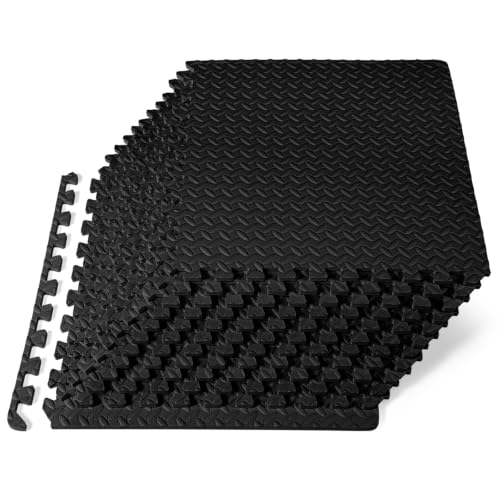
ProsourceFit Puzzle Exercise Mat
These interlocking 24x24-inch tiles are thick enough to flatten out carpet lumps and give dumbbells and kettlebells a stable landing pad. Owners consistently report that the high-density foam resists the permanent compression cheaper puzzle mats show after a few months of squats.
- Easy to cut around door frames and stairs
- Reversible surface texture
- Cleans up with a damp cloth
- Foam can dent under a loaded barbell left in one spot
- Seams show slightly on patterned carpet

Yes4All Interlocking Foam Mats
This is the mat we'd point a first apartment gym toward. It won't survive a dropped kettlebell forever, but for bodyweight work, yoga, and light dumbbells over carpet it does the job at a fraction of the cost of rubber.
- Very affordable per square foot
- Lightweight, easy to store
- Good cushioning for joints
- Not rated for heavy barbell work
- Edges curl over time on plush carpet

Signature Fitness Rubber Flooring Rolls
Owners who've laid this over berber carpet under a squat stand report it stays flat and quiet even with plate drops. The density is closer to a commercial gym roll than most home products in this price range.
- Handles dropped weights without bottoming out on the floor beneath
- Rolls out flat, minimal curling
- Real rubber smell fades within a week
- Heavy to carry and cut
- Pricier than foam options

Amazon Basics Interlocking Foam Mat Tiles
A no-frills tile set that's good for treadmill overspray, mat-based cardio, or a small stretching corner. It won't stop a shifting treadmill on its own, but it evens out the carpet nap underneath.
- Simple setup, no tools needed
- Budget-friendly for small footprints
- Widely available with fast shipping
- Thinner than dedicated gym mats
- Not suited for heavy free weights

CAP Barbell Rubber Floor Mat
This single large rubber mat is a good middle ground when you don't want to floor an entire room. Owners who place it under a weight bench over carpet report the bench feet stop sliding almost immediately.
- No interlocking pieces to fuss with
- Good grip that resists sliding on carpet
- Simple one-piece install
- Limited sizing options
- Still shows carpet texture faintly through it
Papababe Rubber Gym Flooring Rolls
This is the roll we'd reach for in a garage or bonus room that still has old carpet down. It's thick enough to smooth transitions and dense enough to keep a rack from rocking.
- Good thickness-to-price ratio
- Reduces noise and vibration well
- Cuts to size with a utility knife
- Strong initial rubber odor
- Two people needed to unroll and position
How we chose
To judge each flooring option, we looked at its published specifications, the information in its Amazon listing, and the feedback verified owners gave again and again. We checked whether it lies flat over carpet with no curling at the seams, whether it claims to keep equipment from sliding or sinking, and whether owners report that it survives real training load and not only yoga and stretching. Products that install without tools got priority, because most people laying gym flooring over carpet are renters or would rather avoid committing to anything permanent.
Why carpet alone is a problem for training
Carpet padding flattens out when weight sits on it for long periods. Keep a loaded barbell or the foot of a power rack in the same spot for several months, and you'll end up with a divot that won't bounce back. Carpet also gives a little underfoot, so equipment with feet, like a bench, a rack or a treadmill, can wobble slightly with each rep, especially if the carpet is thick or high-pile. If you drop a weight, the carpet won't cushion the impact or shield the subfloor beneath it, which matters even more on an upper floor.
Do you need a subfloor layer, or can you go straight over carpet?
For light work, dumbbells under 30 pounds, bodyweight training, yoga, interlocking foam tiles laid directly over carpet are fine. For anything heavier, especially a power rack or an adjustable bench paired with a loaded barbell, we recommend a rigid layer first. Cut half-inch plywood sheets to fit the rack’s footprint, lay them directly on the carpet, then top with rubber flooring. That gives you a stable base without touching the carpet itself. It’s the same principle commercial gyms use over concrete, just adapted so you’re not stuck with permanent glue-down tile.
Foam tiles vs. Rubber mats vs. Rollout flooring
Interlocking foam tiles
This is the cheapest option and the easiest to cut and install. It works well for cardio and light strength work. Foam compresses under sustained heavy load, so it’s not our pick under a squat rack. Under a treadmill footprint or a stretching corner, though, it holds up just fine.
Rubber floor mats and tiles
Denser and heavier than foam, these hold their shape under barbells and dumbbells and do a much better job absorbing the sound and vibration of dropped weight. This is what we’d put under any dumbbell or kettlebell rack, or under free weight zones generally.
Rollout rubber flooring
Available in large rolls, this flooring option gives you the closest experience to a commercial gym setup that you can lay yourself directly over carpet. Since it has no seams for equipment feet to snag on, it works best in a dedicated home gym room where a rack, bench, and free weights occupy the same space.
Thickness guide
| Use case | Recommended thickness | Flooring type |
|---|---|---|
| Yoga, stretching, bodyweight | 1/4 to 1/2 inch | Foam tiles |
| Dumbbells, kettlebells, light barbell work | 1/2 to 3/4 inch | Rubber tiles or rollout |
| Power rack, dropped weight, heavy barbell | 3/4 inch rubber over 1/2-inch plywood | Rollout rubber flooring |
| Treadmill or cardio machine | 1/4 to 1/2 inch | Foam tiles or thin rubber mat |
Installation tips specific to carpet
- Vacuum thoroughly first, debris under interlocking tiles creates uneven high spots.
- Cut plywood or rigid layers slightly smaller than the flooring on top so edges don’t telegraph through.
- On plush or high-pile carpet, expect slightly more give even with rubber on top; a plywood base layer matters more here than on low-pile.
- Leave rollout rubber flat for 24-48 hours before use so it relaxes out of its packaged curl.
Related guides
- All buying guides
- Home gym setup guides
- Power racks
- Weight benches
- Dumbbells
- Kettlebells
- Cardio accessories
- How we rank
Ready to protect your carpet?
See current pricing and options for rubber and foam gym flooring on Amazon.
Frequently asked questions
Can you put gym flooring directly over carpet?
Yes, for light use. Interlocking foam or rubber tiles can go straight over carpet, though for heavy equipment like a power rack we recommend a rigid plywood layer between the carpet and flooring for stability.
Will gym flooring ruin my carpet?
Properly installed flooring shouldn’t damage carpet, but leaving heavy rubber down for months in humid conditions can occasionally cause slight discoloration. Lifting mats periodically to let carpet breathe helps prevent this.
What’s the best flooring for a power rack over carpet?
A 3/4-inch rollout rubber floor laid over a half-inch plywood base gives the most stability. The plywood distributes the rack’s weight and stops it from sinking or rocking on the carpet pad.
Do interlocking foam tiles work for dumbbells?
For dumbbells under about 30 pounds used carefully, yes. For heavier dumbbells or if you set weights down hard, rubber tiles or rollout flooring hold up better long-term.
How thick should gym flooring be over carpet?
A quarter to half inch is enough for cardio and light bodyweight work. Go with 3/4-inch rubber, ideally over plywood, for barbells, racks, or any dropped-weight training.
Does gym flooring stop equipment from sliding on carpet?
Rubber flooring significantly reduces sliding compared to bare carpet, especially under bench and rack feet. Foam tiles help less since they can shift on plush carpet.
Can I use gym flooring over carpet in an apartment?
Yes, this is one of the most common reasons people buy interlocking foam or rubber tiles: it’s non-permanent, protects the carpet from dents, and can be picked up entirely when you move.
More Buying Guides
 Jump Rope Cardio Workout: The Ropes and Routines That Actually Deliver ResultsWhat Does a Mini Barbell Do? A Real-World Breakdown for Home GymsBarbell vs. Dumbbell: Which One Should Anchor Your Home Gym?
 Why Are Dumbbells So Expensive? What Actually Drives the Price in 2026
 The Best Barbell Tricep Workout Setup for Home Gyms in 2026How to Use Dumbbells: A Beginner’s Guide to Form, Weight, and Progression