Building a Home Garage Gym: The Equipment That Actually Earns Its Floor Space
The garage gym equipment that actually earns its floor space comes down to four categories: a power rack, an adjustable bench, a core set of weights, and flooring underneath it. Everything else is optional until those pieces are dialed in. Building a garage home gym in 2026 means balancing training goals against a room that’s probably also holding a car, a workbench, and holiday storage. This guide breaks down the equipment worth prioritizing, what belongs on a starter list versus a long-term one, and how to lay it out so a car can still pull in at the end of the day. Whether you’re starting from an empty slab or replacing a gym membership, the goal is a home gym in the garage that gets used, not one that becomes another storage problem.
The core equipment we'd put in a home garage gym
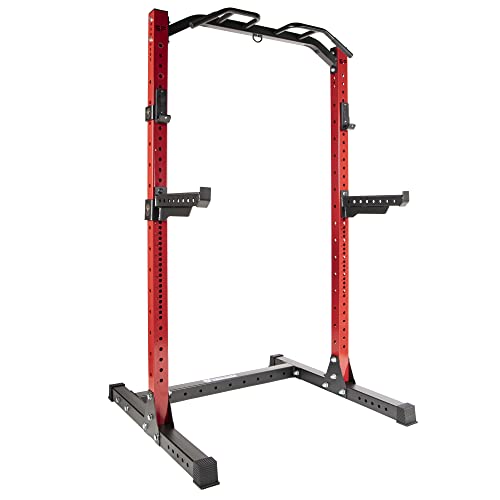
Signature Fitness Power Cage / Squat Rack
This is the piece everything else gets built around. The spec sheet lists solid steel uprights, and owners consistently report the J-cups stay snug rather than rattling loose mid-set, with enough hole spacing to dial in bar height for squats, bench, and pull-ups.
- Doubles as a pull-up station
- Numbered holes make re-racking fast
- Handles heavy compound lifts confidently
- Needs 7+ feet of ceiling clearance
- Takes real assembly time and two people

FLYBIRD Adjustable Weight Bench
Folds flat against a wall when you need the floor back, and the listing's incline pins land in useful angles instead of just flat/45/90.
- Folds compact for small garages
- Sturdy at heavier loads than the price suggests
- Multiple back and seat positions
- Padding firms up over months of heavy use
- Not rated for the very heaviest barbell loads

PowerBlock Adjustable Dumbbells
Selectorized dumbbells that swap a wall of iron for two trays on the floor, which matters when your garage still needs to hold a car.
- Massive floor space savings vs. fixed dumbbells
- Quick weight changes between sets
- Compact stacking footprint
- Selector mechanism takes a session to get used to
- Boxier grip shape than fixed dumbbells

Signature Fitness Barbell and Bumper Plate Set
A straightforward Olympic bar with a bumper plate set built to let you drop from the top of a lift without gouging concrete or your rack.
- Bumpers protect floors and equipment
- Standard 2-inch sleeves fit most racks
- Good weight range for progressive overload
- Bar knurling is moderate, not aggressive
- Full sets take up meaningful storage room
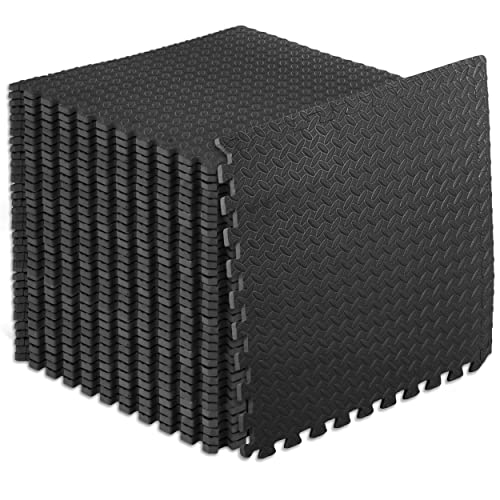
ProsourceFit Puzzle Exercise Mats
Interlocking tiles rated to cut noise and vibration under a rack and dumbbells, and forgiving enough underfoot for floor work between lifts.
- Cheap way to cover a large garage floor
- Interlocking tiles are easy to cut around obstacles
- Cushions dropped weights and joints
- Thinner than dedicated rubber stall mats under a squat rack
- Can shift slightly under very heavy repeated drops

Yes4All Cast Iron Kettlebell Set
A wide-base kettlebell design that owners consistently report stays stable on garage flooring during swings and Turkish get-ups without tipping mid-rep.
- Flat bottom sits steady when set down
- Vinyl-coated options protect painted floors
- Wide range of weight increments available
- Handle can feel textured until it's broken in
- Vinyl coating wears faster than raw cast iron

Theragun Mini by Therabody
Small enough to keep on a shelf by the rack, and owners who use it regularly report it noticeably cuts next-day soreness and stiffness.
- Genuinely portable, fits a gym bag
- Quiet enough to use without waking the house
- Battery lasts multiple sessions
- Smaller motor than full-size Theragun models
- Attachment selection is limited on the Mini
How we chose
This list centers on the pieces that show up in nearly every functional garage gym, whether the goal is strength, general fitness, or both. Floor footprint carried a lot of weight in our thinking, since most garages are also doing double duty for a car, storage, or a workbench. Spec sheets got cross-checked against what verified owners consistently report: how a rack holds up loaded to working weight, whether a bench folds cleanly, whether flooring actually stays put under repeated dumbbell drops. Full details on our process live on our how we rank page.
Start with the space, not the shopping cart
Before buying anything, measure your garage. Ceiling height matters more than most people expect: a standard power rack plus a pull-up bar attachment needs roughly 7 to 7.5 feet of clearance, and garage door tracks or overhead storage can eat into that fast. Measure wall-to-wall width too. A rack, a bench, and a couple feet of working space around the bar typically need an 8×10-foot zone at minimum, more if you want room to deadlift without clipping a wall.
Factor in your garage door as well. If a vehicle requires full clearance to open the door, position the rack and bench off to one side instead of in the middle, and think about using flooring tiles that can be lifted up when needed rather than ones that are permanently glued in place.
The core four: rack, bench, weights, floor
Almost every functional home garage gym comes down to four categories, in this order of priority:
1. A power rack or squat stand
This is the anchor. A full power rack gives you safety bars for squatting and pressing alone, a pull-up bar, and mounting points to add lat pulldown or cable attachments later. If ceiling height or budget is tight, a squat stand takes less space but sacrifices the built-in safety catches. Plan on spotter arms if you go that route.
2. An adjustable bench
A weight bench that folds flat is worth paying for in a garage specifically, since it lets you reclaim floor space on non-lifting days. Look for a flat, incline, and decline range rather than just flat and 45 degrees. Check the weight rating against your actual loaded bar weight too, not just your bodyweight.
3. Weights: dumbbells, barbell, kettlebells
This is where garage gyms live or die on space. Fixed dumbbells from 5 to 50 pounds can eat an entire wall; adjustable sets solve that but cost more per pound. A single Olympic barbell and plate set covers squats, deadlifts, presses, and rows, and bumper plates specifically protect a concrete garage floor from steel-on-steel drops. Kettlebells round things out for conditioning and single-limb work without needing a rack at all.
4. Flooring
Bare concrete transmits every dropped plate straight into your foundation and your neighbors’ patience. Interlocking rubber or foam tiles are the budget-friendly starting point; dedicated stall mats or horse stall mats are the upgrade for anyone dropping heavy bumper plates regularly.
What to add once the basics are covered
After the rack, bench, weights, and flooring are in place, a home garage gym typically expands with a second layer: some form of cardio equipment plus recovery gear. The available space and how much noise you can tolerate usually determine which cardio machine makes sense. A folding treadmill that saves space, or an upright bike, will take up less room than a full elliptical or rowing machine, although a rower remains one of the more efficient choices for working the whole body if you have the space to fit one in. Recovery gear such as a percussion massager or a foam roller doesn't cost much, and having these on hand increases the odds that you'll actually show up to train the next day rather than skipping it due to soreness.
Budget planning by tier
| Tier | Rough total budget | What’s included | Best for |
|---|---|---|---|
| Starter | $300–$600 | Squat stand or budget rack, adjustable bench, one barbell, basic plates, foam flooring tiles | New lifters testing whether a garage gym sticks |
| Solid all-around | $800–$1,500 | Full power rack, quality bench, bumper plate set, kettlebells, rubber flooring | Households committed to strength training long-term |
| Full setup | $1,800+ | Everything above plus adjustable dumbbells, a cardio machine, and recovery tools | Replacing a commercial gym membership entirely |
Common mistakes we see in first-time garage gym builds
- Buying fixed dumbbells before measuring wall space. A 5-to-50-pound set in 5-pound increments is a lot of iron and a lot of wall.
- Skipping flooring to save money. Concrete cracks and dropped plates chip both the floor and the plates; flooring is cheap insurance.
- Underestimating ceiling clearance for pull-up attachments. Measure with the garage door track and any overhead storage in mind, not just bare ceiling height.
- Ignoring ventilation and temperature. Garages run hot in summer and cold in winter in most of the US; a simple fan or space heater extends the months you’ll actually use the space.
How to Create a Home Gym in the Garage, Step by Step
If you’re starting from an empty bay, building out garage workout equipment in the right order keeps you from buying gear that sits unused. Follow this rough sequence for the best garage gym setup on a normal budget:
- Measure first. Confirm ceiling clearance and a clear 8×10-foot working zone before buying anything.
- Anchor with a rack. A power rack or squat stand is the piece the rest of the room gets built around.
- Add a folding bench. It gives back floor space on non-lifting days.
- Pick weights that fit the room. A barbell and plate set plus kettlebells cover most training without eating a wall.
- Put down flooring last so tiles can be cut around the rack’s final position.
Following that order is generally how the best garage gym builds end up functional instead of cluttered.
Related guides
- Home gym equipment hub
- Power racks and squat stands
- Weight benches
- Dumbbells
- Barbells and plates
- Kettlebells
- Recovery tools
- More buying guides
- How we rank
Ready to start your garage gym?
Check current pricing on the core equipment we recommend above.
Frequently asked questions
How much does a basic home garage gym cost to start?
A functional starter setup with a squat stand, adjustable bench, one barbell with plates, and basic flooring typically runs $300 to $600, depending on how much steel you buy in plates.
How much ceiling height do I need for a garage gym rack?
Plan on at least 7 to 7.5 feet of clear height for a power rack with a pull-up bar attachment, and double-check clearance around garage door tracks and any overhead storage racks.
Do I need special flooring for a garage gym?
Bare concrete works in a pinch but transmits noise and vibration and can chip under dropped plates. Interlocking rubber or foam tiles are an affordable upgrade, with dedicated stall mats as a heavier-duty option.
Is it better to buy adjustable or fixed dumbbells for a garage gym?
Adjustable dumbbells save significant floor and wall space and cost less per pair than a full fixed-weight rack, though fixed dumbbells are quicker to switch between during supersets.
Can I fit a cardio machine in a home garage gym?
Yes, but plan the footprint carefully. Folding treadmills and upright bikes take the least space; rowers and ellipticals need more clearance and are worth measuring for before buying.
What’s the minimum floor space needed for a garage gym?
An 8×10-foot area is a reasonable minimum for a rack, bench, and working space around the bar, with more room needed if a car also has to fit in the same garage.
Do I need a power rack, or is a squat stand enough?
A squat stand is lighter and takes less space, but a full power rack adds built-in safety bars for lifting without a spotter, which matters most for solo garage gym training.
More Buying Guides
 Jump Rope Cardio Workout: The Ropes and Routines That Actually Deliver ResultsWhat Does a Mini Barbell Do? A Real-World Breakdown for Home GymsHow to Do the Ski Erg Correctly: Technique, Common Mistakes, and Setup Tips
 The Best Treadmills for a 30-Minute Home Workout in 2026
 Types of Dumbbells: Which Style Actually Fits Your Home Gym in 2026
 Rowing Machine Exercise: What It Does for Your Body and Which Machine to Buy