Garage Gym Mirrors: Which Ones Actually Hold Up in a Home Setup
The garage gym mirrors that hold up best in a home setup are the ones with real wall-mount hardware, either tempered glass or scratch-resistant acrylic, and edge finishing sturdy enough to sit a few feet from a barbell. A mirror is one of those upgrades that sounds cosmetic until you use one to fix a rounded-back deadlift or catch a knee cave on a squat. In 2026, with more lifters converting garages, basements, and sheds into permanent training spaces, mirrors have become a legitimate line item on the shopping list right alongside a power rack or weight bench. This guide breaks down which mirror types, glass tile kits, acrylic panels, and leaning mirrors, actually hold up long-term, and what buyers consistently report before mounting one near a lifting area.
The best garage gym mirrors we'd actually mount

Fab Glass and Mirror Gym Mirror Tiles (12-Pack)
Fab Glass and Mirror Gym Mirror Tiles (12-Pack), These interlocking tiles let you build a 4x6-foot mirrored wall piece by piece, which the listing notes makes hanging it in a low-ceiling garage far less of a two-person ordeal than a single pane.
- Real glass clarity, not the wavy look of acrylic
- Modular sizing fits odd garage wall dimensions
- Comes with mounting clips and adhesive
- Seams between tiles are visible up close
- Heavier overall than one big acrylic sheet
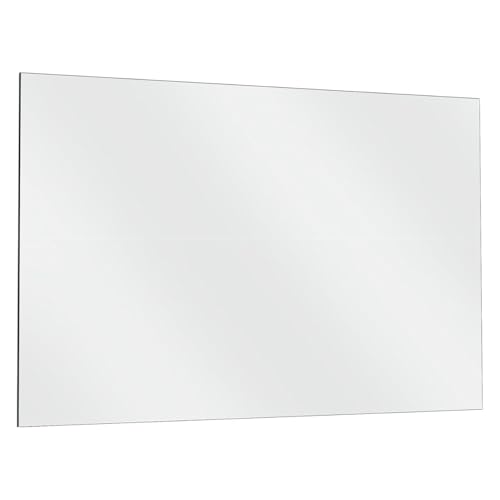
VEVOR Full-Length Gym Mirror (48 x 72 in.)
VEVOR Full-Length Gym Mirror (48 x 72 in.), At 4 feet wide, the spec sheet puts this one large enough to show a full stance during squats without backing up into the driveway, and the beveled edges keep it from looking like a cheap slab of glass.
- Large single pane means zero seams
- Shatter-resistant backing film included
- Comes with a bracket kit rated for the weight
- Needs two people to lift and mount safely
- Ships in a large, awkward box
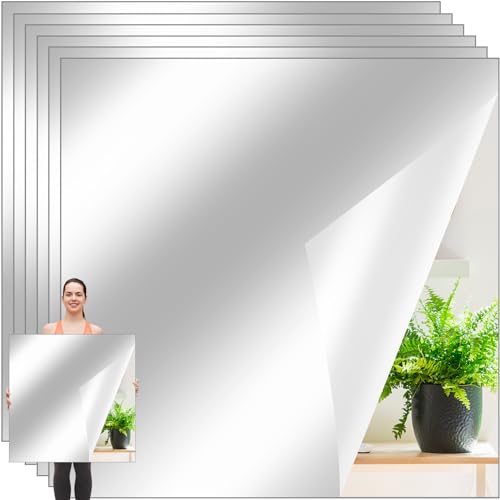
Giantex Acrylic Gym Mirror Tiles
Giantex Acrylic Gym Mirror Tiles, Owners on a temporary garage setup report a dropped dumbbell dinged the surface instead of shattering it, though the image reportedly has a slight warp compared to glass.
- Acrylic won't shatter if something gets knocked into it
- Much lighter than glass, easy for one person to hang
- Cheapest way to cover a large area
- Noticeable distortion at the edges of each tile
- Scratches more easily than glass

Yaheetech Frameless Wall Mirror for Gym
Yaheetech Frameless Wall Mirror for Gym, This mid-size mirror is sized to check bicep curl form and posture without eating up an entire wall, which matters in an 8x10 space.
- Frameless look blends into a finished garage
- Reasonable weight for solo installation
- Good clarity for the price point
- Too short to check full squat depth
- Limited hardware included for uneven walls

Best Choice Products Full-Length Leaning Mirror
Best Choice Products Full-Length Leaning Mirror, Leaned against the garage wall instead of mounted, this one is handy for setups that change seasonally between a home gym and storage space.
- No permanent mounting required
- Easy to reposition as your setup evolves
- Sturdy stand keeps it from tipping
- Takes up floor space you might want for equipment
- Can shift slightly on uneven concrete

Hindom Frameless Gym Mirror (Wall-Mounted)
Hindom Frameless Gym Mirror (Wall-Mounted), Reviewers who have owned it compare the look to mirrors at a real gym, and the polished edges mean no sharp corners near a rack.
- Polished edges reduce injury risk near equipment
- Genuinely clear, distortion-free glass
- Mounting hardware rated for the panel's weight
- Pricier than acrylic tile options
- Limited size options compared to modular kits
How we chose
We looked at garage gym mirrors the way we’d look at any piece of equipment that has to survive dropped weights, temperature swings, and DIY installation: durability first, clarity second, and ease of mounting third. Every product on this list is genuinely sold on Amazon as a gym-specific mirror or mirror-tile kit, not a repurposed bathroom mirror.
What we prioritized
- Glass vs. Acrylic: Real glass gives truer, less distorted reflections, but acrylic is safer around barbells and dumbbells since it won’t shatter into shards.
- Size and modularity: A single 4×6-foot sheet looks great but is genuinely hard to move alone. Tile kits let you build the size you need in stages.
- Mounting hardware: Cheap mirrors sometimes skip real anchors. We favored kits that included brackets or adhesive rated for the panel’s actual weight.
- Edge finishing: Polished or beveled edges matter more than people expect once a mirror is a few feet from a squat rack.
Glass or acrylic: which should you buy?
Anyone buying garage gym mirrors faces this choice first. Glass mirrors, such as the Fab Glass and Mirror tiles and the Hindom panel, produce a sharper, truer reflection with no warping at all. This makes a difference when you rely on the mirror for genuine form checks during lifts like overhead press or front squat, since a distorted image can make your technique appear worse (or better) than it actually is.
Acrylic mirrors, like the Giantex tiles, trade some clarity for peace of mind. If your garage gym is tight and there’s any real chance a kettlebell or plate could clip the mirror, acrylic won’t shatter into dangerous shards the way glass can. Owners consistently report a mild warping effect at the edges of acrylic tiles, especially in larger multi-tile arrangements, but it isn’t described as a dealbreaker for general use.
Sizing your garage gym mirror
For most lifters, a whole wall of mirrors isn't necessary. One mirror measuring 4 feet wide by 6 feet tall, or a comparable tiled setup, gives you enough coverage to view your full body while squatting or deadlifting at a typical viewing distance. When space in your garage is tight, favor a wider mirror rather than a taller one, since being able to check symmetry from side to side, such as knee position and bar path, tends to matter more than having your feet in view.
For tighter corners or apartment-style setups, a compact mirror such as the Yaheetech option handles the basics, upper body and posture checks, without dominating the whole wall. If you're not ready to commit to a permanent installation, a leaning mirror like the Best Choice Products option lets you try out the placement first.
Mounting: what actually works on a garage wall
Garage walls are inconsistent. Drywall over studs, exposed studs, or masonry, and each affects how you should mount a mirror. Adhesive strips work fine for lightweight acrylic tiles but are not reliable for full glass panels of any real size. Look for mirrors that ship with actual wall brackets or J-channel style hardware, and when in doubt, mount into studs rather than drywall alone. If your garage has masonry walls, you’ll likely need separate concrete anchors that aren’t always included in the box.
| Mirror type | Best for | Shatter risk | Typical install difficulty |
|---|---|---|---|
| Glass tile kit | Large walls, clearest reflection | Moderate | Moderate (multiple pieces) |
| Single glass panel | Full-body form checks | Moderate-High | Hard (heavy, needs two people) |
| Acrylic tile kit | Budget builds, safety-conscious spaces | Low | Easy |
| Leaning/freestanding mirror | Renters, temporary setups | Low-Moderate | Very easy |
Placement tips for a garage gym mirror
Mount the mirror opposite your main lifting station, not off to the side, so you can actually glance at form mid-set without twisting awkwardly. Leave at least a foot of clearance from any rack upright or bench to avoid an errant plate strike. And if your garage gym doubles as a cardio space with a bike or treadmill, consider positioning the mirror where it’s visible from both zones rather than tucked purely behind the strength area.
Related guides
- Home gym setup guides
- Best power racks for garage gyms
- Best weight benches
- Resistance training equipment guides
- Best adjustable dumbbells
- All buying guides
- How we rank equipment
- About TalkGyms
Ready to build out your mirror wall?
See current prices and sizes on Amazon before you plan your garage layout.
Frequently asked questions
Is glass or acrylic better for a garage gym mirror?
Glass gives a clearer, less distorted reflection and holds up better over time, but acrylic is safer if there’s any risk of dropped weights hitting the mirror. Many home gyms use acrylic near the lifting platform and glass elsewhere.
What size mirror do I need to see a full squat or deadlift?
A mirror around 4 feet wide by 6 feet tall is generally enough to see your full body from a normal lifting distance. Tile kits let you build to this size gradually if a single panel feels too unwieldy.
Can I mount a garage gym mirror on drywall?
Lightweight acrylic tiles can often go on drywall with strong adhesive strips, but heavier glass panels should be anchored into wall studs whenever possible for safety.
Do gym mirror tiles look obviously seamed?
Up close, yes, you can usually see faint lines between tiles. From a normal lifting distance during a workout, most people don’t notice them.
Are leaning mirrors sturdy enough for a garage gym?
Freestanding leaning mirrors work fine for renters or temporary setups, but they can shift slightly on uneven garage floors, so wall mounting is more secure long-term.
How far should a mirror be from my power rack?
Leave at least a foot of clearance from any rack upright, bench, or bar path to reduce the chance of an errant plate or dumbbell striking the mirror.
Will a garage gym mirror fog up or get damaged by temperature swings?
Most glass and acrylic gym mirrors handle typical garage temperature ranges fine, but extreme humidity can cause fogging on glass; acrylic tends to be slightly more forgiving in unheated spaces.
More Buying Guides
 Jump Rope Cardio Workout: The Ropes and Routines That Actually Deliver ResultsWhat Does a Mini Barbell Do? A Real-World Breakdown for Home Gyms
 Smith Machine Back Workout: Best Machines and Moves for a Stronger Back in 2026
 Do Vibration Plates Help You Lose Weight? What We Found After Testing Six Models
 Rowing Machine Technique: A Buyer’s Guide to Getting the Stroke Right at Home
 Pilates Workout Equipment: The Gear Worth Buying for a Home Studio