Forearm Workout Equipment: What Actually Builds Grip and Wrist Strength in 2026
The best forearm workout equipment trains both grip strength and wrist extension, not just the closing motion most grippers focus on. Plate-loadable wrist rollers and curl bars, adjustable hand grippers, and resistance bands each target a different piece of that puzzle. Which forearm exercise equipment fits you depends on whether you’re chasing crush-grip strength, forearm size, or wrist rehab. In 2026, more lifters and climbers treat grip as a limiting factor, and the category has expanded well past the classic spring gripper. This guide breaks down which forearm workout tool actually builds strength and size at each stage, based on published specs, live Amazon listings, and what verified owners consistently report after months of use, plus which ones are mostly novelty desk toys.
The best forearm workout equipment we recommend
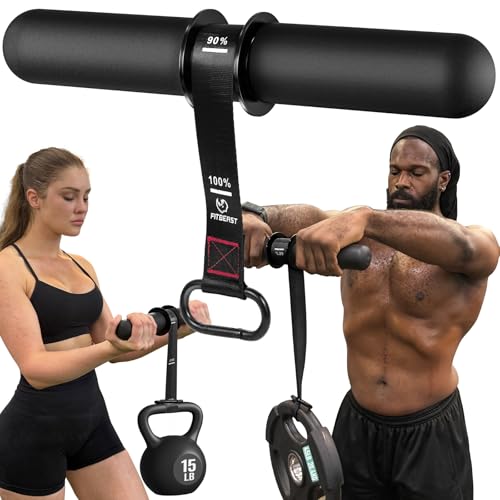
CAP Barbell Wrist Roller
The rope-and-dowel design lets you load actual plates, so you can progress from 5 pounds to 45 as your forearms get stronger. The rolling motion torches the extensors in a way grippers never touch.
- Uses standard plates you already own
- Hits both flexors and extensors
- Durable steel dowel and thick rope
- Takes up floor or wall space to use safely
- Loud plate clanking on hard floors

Yes4All Adjustable Hand Grip Strengthener
The tension dial goes from light to genuinely hard, so it grows with you instead of becoming useless after a month. Small enough to keep at a desk for rep sets during work calls.
- Adjustable resistance in one unit
- Cheap enough to buy a pair
- Compact for desk or gym bag use
- Plastic housing feels less premium than metal grippers
- Adjustment mechanism can loosen over time

ProsourceFit Hand Grip Strengthener Set
The set of three color-coded grippers takes the guesswork out of progression, since you can literally see and feel the jump from one level to the next. Good starting point before moving to heavier single-tension grippers.
- Three resistance levels included
- Ergonomic handles are comfortable for high reps
- Good value for a multi-piece set
- Top resistance level is still moderate, not for advanced lifters
- Springs can squeak after heavy use
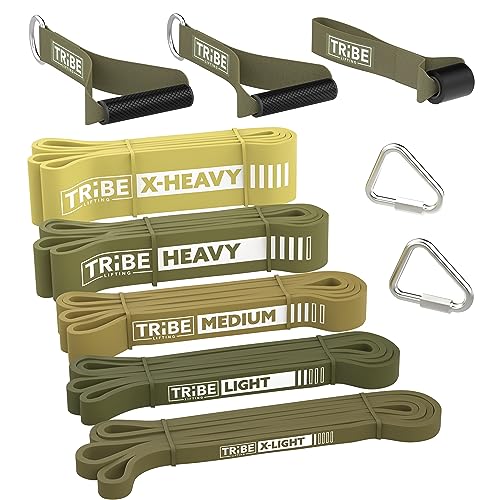
Undersun Resistance Bands Set
The lighter bands in the set are well suited to high-rep wrist flexion and extension work that a gripper can't replicate, and the whole set rolls up small enough for a carry-on.
- Trains both flexion and extension patterns
- Packs flat for travel
- Multiple resistance levels in one set
- Not a dedicated forearm tool, requires know-how to use correctly
- Bands can pinch skin during wrist curls
Bob and Brad Grip Strengthener and Forearm Roller
The dual-function design stands out: the textured roller on the handle doubles as a self-massage tool for tight forearms after heavy grip sessions, a nice touch most competitors skip.
- Combines strengthening and recovery in one tool
- Solid resistance for intermediate lifters
- Compact and travel-friendly
- Single fixed resistance per unit
- Roller texture is firm and can feel intense at first

CAP Barbell Forearm and Wrist Curl Bar
This EZ-style curl bar variant is plate-loadable for seated wrist curls, and owners past the beginner stage consistently report it builds noticeable forearm size faster than a gripper alone.
- Allows heavy progressive overload
- Works flexors and extensors directly
- Pairs with a bench for proper seated curls
- Needs plates and a bench to use effectively
- Overkill if you only want casual grip training
How we chose
This equipment works the forearm across multiple planes of movement rather than just one. Basic grippers, which only train flexion, tend to neglect the extensors, the muscles on the top side of your forearm. Gear was prioritised when it offered progression, whether through adjustable resistance or plate-loading, or when it served a clear purpose such as climbing endurance or wrist rehab. Build quality was another factor, since cheap springs and plastic housings are a frequent point of failure in this category.
Types of forearm workout equipment, and what each one actually trains
Hand grippers
Spring-loaded grippers are the most familiar forearm tool, and genuinely effective for crush grip strength, the kind behind a strong handshake or a deadlift lockout. Their limitation shows up quickly: they only train closing the hand. Wrist extension and rotational strength get almost nothing from them, so they shouldn’t be your only tool.
Wrist rollers
A wrist roller consists of a dowel with a weighted rope attached, which you wind up and down using nothing but your wrists and forearms. It stands out as one of the rare pieces of equipment that works both flexion and extension within a single set. Since it takes weight plates, you can keep increasing the load as your strength improves. Among everything covered here, it's the tool that comes nearest to being a complete forearm builder.
Curl bars and wrist curl setups
Seated wrist curls and reverse wrist curls on an EZ-curl bar or a dedicated wrist curl bar are old-school bodybuilding wisdom that still works. This approach lets you overload the forearm with real weight, something hard to replicate with grippers or bands alone.
Resistance bands
Bands are underrated for forearm work because they let you train wrist flexion, extension, and even radial/ulnar deviation (side-to-side wrist movement) that most equipment ignores entirely. They’re also the gentlest option for anyone rehabbing tennis elbow or golfer’s elbow.
Gyroscopic wrist exercisers
These spinning-ball devices generate resistance through gyroscopic force as you spin them faster, and they’re excellent for wrist stability and endurance, particularly for climbers and racquet-sport athletes. They’re less useful for raw strength gains compared to plate-loaded options.
Buying guide: what to look for
Match the tool to your goal
A gripper or a thick-bar attachment works fine as a standalone tool if the goal is a stronger handshake or grip for deadlifts. Chasing forearm size or complete grip health calls for something that also trains extension, like a wrist roller, band set, or curl bar.
Progression matters more than the gadget
A five-dollar gripper you can never adjust past week three is a waste of money. Prioritize adjustable-resistance grippers or plate-loadable tools like wrist rollers and curl bars so you have somewhere to go as you improve.
Don’t neglect the extensors
Most forearm pain and elbow tendonitis comes from an imbalance between strong flexors (from gripping everything all day) and weak extensors. Pair any gripper work with wrist extension movements using a band or the reverse side of a wrist roller.
| Tool | Best for | Progression style | Price |
|---|---|---|---|
| Wrist roller | Overall forearm size and endurance | Add plates | $ |
| Adjustable hand gripper | Crush grip strength | Dial or swap springs | $ |
| Gripper set (multi-level) | Beginners learning progression | Move up a color | $ |
| Resistance bands | Wrist flexion/extension, rehab | Heavier band or more reps | $ |
| Curl bar / wrist curl setup | Heavy overload, forearm size | Add plates | $$ |
Related guides
- More TalkGyms buying guides
- Best resistance bands and suspension trainers
- Best adjustable dumbbells for home gyms
- Best kettlebells for strength training
- Best recovery tools for sore muscles
- Best weight benches for curls and presses
- How we rank fitness equipment
- About TalkGyms
Ready to build a stronger grip?
Check current prices on the wrist roller and grip trainers ranked above.
Frequently asked questions
Do I need special equipment for forearm workouts, or can I just do wrist curls with dumbbells?
Dumbbell wrist curls work fine and cost nothing extra if you already own dumbbells. Dedicated equipment like wrist rollers and grippers just adds variety and trains movement patterns dumbbells can’t, like rotational grip and radial deviation.
How often should I train forearms with this kind of equipment?
Two to three short sessions a week is plenty for most people, since forearms recover quickly but also fatigue fast within a session. Grip work also sneaks in during your regular pulling exercises, so total volume adds up faster than you think.
Can forearm workout equipment help with tennis elbow or golfer’s elbow?
Light resistance band work for wrist extension and flexion is commonly used in rehab protocols for both conditions, but check with a physical therapist before adding load if you’re currently in pain.
What’s better for grip strength, a hand gripper or a wrist roller?
A gripper is more specific to crush grip strength, like what you need for a handshake or a heavy deadlift, while a wrist roller builds more complete forearm strength and size. Most serious grip trainees use both.
Is a gyroscopic wrist exerciser worth buying?
It’s a nice addition for wrist endurance and stability, especially for climbers or racquet-sport players, but it shouldn’t replace a gripper or wrist roller if raw strength is your main goal.
How much resistance should a beginner start with on a hand gripper?
Start light enough that you can do 3 sets of 10-15 clean reps per hand without your grip fully failing mid-rep. Most beginners overestimate their gripper strength on the first try.
Will forearm training help my other lifts?
Yes, a stronger grip directly helps deadlifts, pull-ups, and rows, since a weak grip is often the limiting factor before your back or legs actually give out.
More Buying Guides
 Jump Rope Cardio Workout: The Ropes and Routines That Actually Deliver ResultsWhat Does a Mini Barbell Do? A Real-World Breakdown for Home Gyms
 Trap Workouts With Dumbbells: The Best Dumbbells for Building Thick Traps at Home
 Treadmill Sprint Workouts: How to Do Them Safely (and the Treadmills That Can Handle Them)
 Smith Machine Back Workout: Best Machines and Moves for a Stronger Back in 2026
 Do Vibration Plates Help You Lose Weight? What We Found After Testing Six Models