Foam Roller Exercise: The Best Rollers for Recovery, Mobility, and Warm-Ups
Foam roller exercise means using a cylindrical foam tool to apply body-weight pressure to muscles and connective tissue, loosening tight spots before or after a workout. It doesn’t replace a dynamic warm-up. Framing this as burpees vs foam rolling misses the point: burpees raise your heart rate, foam rolling improves mobility and blood flow to specific muscle groups, and most routines need both rather than a choice between them. Foam rollers remain one of the cheapest, simplest tools you can add to a home gym, whether you’re rolling out sore quads after a run, working through IT-band tightness, or prepping tight muscles before a lifting session. Below we rank the standout options, from basic high-density foam cylinders to battery-powered vibrating models, based on published specs, listing details, and what verified owners consistently report about durability and performance.
The best foam rollers we recommend for exercise and recovery

ProsourceFit High Density Foam Roller
This is the roller most frequently cited by owners for use between sets and after long runs. Owners consistently report it holds its shape after months of use, and the surface is firm enough to dig into tight quads without feeling like it will cave in.
- Holds density well over time
- Available in multiple lengths (12", 18", 24", 36")
- Smooth surface is comfortable for beginners
- No texture, so it's less targeted than knobby rollers
- Can feel too firm for very sensitive areas at first
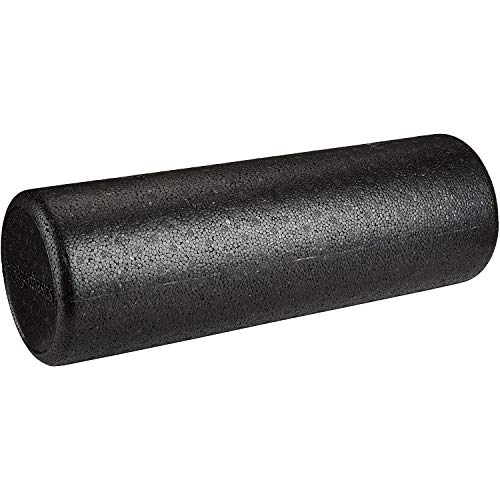
Amazon Basics High-Density Round Foam Roller
At this price it's basically an impulse buy, and the listing specifies it does exactly what a basic roller needs to do, smooth muscle rolling without any gimmicks. Some owners note slightly more compression over time than the ProsourceFit, but for occasional use that's reported as a non-issue.
- Very low price for the category
- Solid enough for basic rolling and stretching
- Easy to find replacement sizes
- Softens faster with heavy daily use
- Limited color/texture options

TOLOCO Vibrating Foam Roller
The vibration modes are reported to noticeably cut down the time it takes to feel loose, especially on calves and lats after leg day. The spec sheet lists battery life sufficient for about a week of daily 10-minute sessions before needing a charge.
- Multiple vibration intensities
- Rechargeable battery lasts several sessions
- Firm enough core to still work like a standard roller
- Heavier and bulkier than non-vibrating rollers
- Buttons can be a little finicky mid-session

Bob and Brad Foam Roller
This one has a slightly softer outer layer than most high-density options, which owners say makes it a good starting point for anyone who finds firmer rollers uncomfortable. It's still supportive enough that it doesn't feel like a foam noodle.
- Comfortable density for rolling newcomers
- Backed by well-known physical therapist duo's product line
- Good balance of firmness and cushion
- Less aggressive pressure for advanced users
- Fewer size options than category leaders

RENPHO Vibrating Foam Roller
This model is a popular pick for stashing in a gym bag or under a couch, it's shorter than most full-length rollers but still long enough to roll a hamstring or IT band without rolling off the edge.
- Smaller footprint for storage or travel
- Vibration adds therapeutic value in a compact package
- Reasonably priced for a vibrating roller
- Shorter length isn't ideal for full-back rolling
- Vibration motor adds noticeable noise
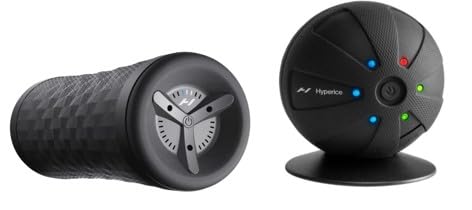
Hyperice Vyper 2.0
This is the roller often recommended to anyone skeptical that a roller can replace part of a massage session. The high-frequency vibration combined with a genuinely dense shell is reported to make short work of stubborn IT-band tightness.
- Premium build quality and battery life
- Three vibration speeds with real intensity differences
- Compact enough to travel but firm enough for deep work
- Priced well above standard foam rollers
- Overkill if you only roll occasionally
How we chose these foam rollers
We prioritized rollers that owners consistently report keep their shape and firmness after weeks of regular use. A roller that compresses into a soft noodle after a month stops doing its job. Size and portability mattered too: a 36-inch roller is great for a home gym but overkill for a gym bag. Surface texture counted, and for the vibrating models, so did battery life and whether the vibration motor actually added anything versus just being a marketing feature. Price mattered as well. Foam rollers span from under $15 to well over $100, and the jump in performance isn’t always linear.
What is a foam roller for exercise, exactly?
A foam roller is a cylindrical piece of dense foam, typically 12 to 36 inches long and 4 to 6 inches in diameter, used for self-myofascial release (SMR): essentially self-massage using your own body weight to apply pressure to muscles and connective tissue. You place the roller under a muscle group (calves, quads, lats, IT band, upper back) and roll back and forth with slow, controlled movements, pausing on tight or tender spots. It’s commonly used before a workout to improve mobility and blood flow, and after a workout or on rest days to reduce soreness and stiffness. Some research suggests foam rolling can temporarily improve range of motion and reduce the perception of muscle soreness, though it doesn’t substitute for proper warm-ups, strength work, or medical treatment of injuries.
Buying guide: what actually matters
Density and firmness
Foam rollers range from soft, good for beginners or sensitive areas, to extra-firm, better for athletes who want deeper pressure. New to rolling? Start with a medium-density roller. Going straight to the firmest option can be genuinely uncomfortable and may discourage you from sticking with it.
Length and diameter
A 36-inch roller works best for full-body use, including lying flat along your spine for thoracic mobility work. Shorter 12, 18 inch rollers pack easier for travel and storage, but they limit some full-back exercises.
Texture: smooth vs. Textured/knobby
Rollers with a smooth surface are gentler and suit beginners or everyday use better. Those featuring textured ridges or knobs work trigger points more intensely, which experienced users find helpful for persistent knots, though newcomers may find the sensation too much to handle.
Standard vs. Vibrating
Vibrating foam rollers add a percussion-style element that can speed up muscle relaxation, similar to a massage gun but built into a rolling motion. They’re heavier, pricier, and need charging. Reviewers who’ve owned vibrating models consistently report sessions feel noticeably more effective and take less time to feel loose.
Foam roller density comparison
| Density level | Best for | Feel | Example use |
|---|---|---|---|
| Soft | Beginners, sensitive areas | Cushioned, gentle | Calves, shins, first-time users |
| Medium | General daily use | Balanced firmness | Quads, hamstrings, lats |
| High-density/firm | Experienced users, deep tissue work | Firm, minimal give | IT band, glutes, tight athletes |
| Textured/knobby | Trigger point targeting | Firm with pressure points | Upper back, piriformis |
| Vibrating | Faster relief, athletes | Firm shell + vibration | Post-workout recovery, warm-ups |
How to use a foam roller safely
Roll slowly, about one inch per second, instead of fast back-and-forth strokes. Pause on tender spots for 20, 30 seconds, and don’t roll directly over joints or bones. Skip the lower back (lumbar spine) without support, and leave alone any area that’s acutely injured, bruised, or inflamed. Combining foam rolling with other recovery tools? Our recovery equipment guide covers how it fits alongside massage guns and other options.
Where foam rolling fits into a home gym routine
Foam rolling pairs naturally with strength and mobility work. Building out a home setup? Check our guides to resistance training gear for warm-up and activation tools, our weight bench picks for a full strength station, and our broader home gym guide if you’re starting from scratch. For general buying advice across categories, our full guides hub is a good starting point, and you can see our ranking process on the how we rank page.
Foam Rolling vs. Burpees: Are They Interchangeable?
People who search for burpees vs foam rolling are generally trying to work out which one has a place in a warm-up routine. These aren't rival methods, since each one conditions a different system in the body. Burpees are a high-intensity, full-body exercise that drives heart rate up and gets the nervous system ready for explosive effort, which makes them a good fit right before a strength or conditioning workout. Foam rolling works differently, offering a slower, more targeted approach to self-myofascial release that boosts blood flow and mobility in specific muscle groups while barely affecting heart rate.
Most coaches and published mobility research suggest pairing the two rather than picking one. A few minutes of foam rolling on tight areas (calves, quads, IT band) followed by dynamic movements like burpees or bodyweight squats tends to prepare the body better than either alone. Post-workout, foam rolling vs burpees isn’t really a debate. Burpees fit the warm-up, foam rolling fits the cool-down.
Ready to add foam rolling to your routine?
See current prices on our top-rated foam rollers for exercise and recovery.
Frequently asked questions
What is a foam roller for exercise used for?
A foam roller is used for self-myofascial release: applying pressure with your body weight to loosen tight muscles, improve blood flow, and increase range of motion before or after a workout.
How long should I foam roll each muscle group?
Most experts recommend 30 to 60 seconds per muscle group, pausing on particularly tight spots for up to 30 seconds without excessive force.
Should I foam roll before or after a workout?
Both can be beneficial. Rolling before a workout can help with mobility and warm-up, while rolling after can help reduce muscle tightness and soreness.
Is a firmer foam roller always better?
Not necessarily. Beginners often do better starting with a medium-density roller and working up to firmer options as their tissue tolerance improves.
Do vibrating foam rollers actually work better than standard ones?
Many users report faster relief and looser muscles with vibrating rollers, similar to using a massage gun, though a standard roller used consistently can still be very effective.
Can foam rolling replace stretching?
No. Foam rolling complements stretching and mobility work but doesn’t fully replace dedicated flexibility training or a proper warm-up.
Is it safe to foam roll every day?
For most healthy people, daily foam rolling on major muscle groups is safe. Avoid rolling directly over joints, the lower back spine, or any acutely injured area.
What size foam roller should I buy for home use?
A 36-inch roller offers the most versatility for full-body use, including back exercises, while 12–18 inch rollers are easier to store and travel with.
More Buying Guides
 Jump Rope Cardio Workout: The Ropes and Routines That Actually Deliver ResultsWhat Does a Mini Barbell Do? A Real-World Breakdown for Home Gyms
 Barbell Workouts You Can Actually Do at Home (And the Gear That Makes Them Work)
 How to Do the Dumbbell Good Morning (Form Guide + Best Dumbbells for It)
 Bench Ab Workout: Best Benches for Building Real Core Strength at HomeTrap Workouts With Dumbbells: The Best Dumbbells for Building Thick Traps at Home