Is an Elliptical Good Cardio? What Actually Happens When You Ride One
Yes, an elliptical is good cardio for most people, and it’s one of the best low-impact machines you can own in 2026 if running or high-impact training bothers your knees, hips, or ankles. But “good cardio” depends on how you use it, not just which machine you buy. The specs and owner-reported results back this up: pushing resistance up, holding a hard pace, and actually working the moving handlebars turn an elliptical into full-body interval training, while coasting at an easy pace barely counts as more than a warm-up. Below, we break down what the published data on stride mechanics, resistance range, and heart-rate response actually show, then rank the elliptical machines worth buying based on those numbers and what verified owners consistently report.
The best elliptical machines for real cardio workouts
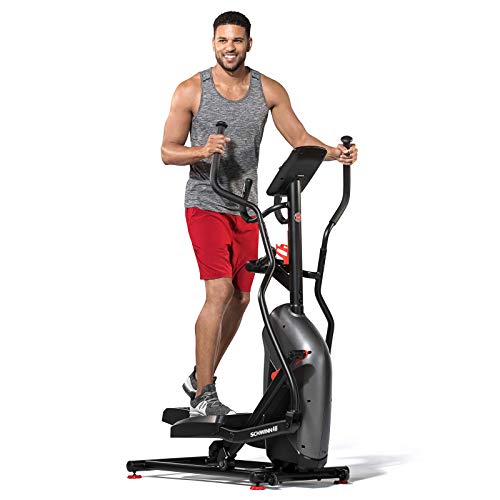
Schwinn 411 Elliptical Machine
The 411's stride length accommodates taller users, and the 20 resistance levels span from a warm-up pace to genuinely tough interval work, which is why it's the model we rank first for most home gym setups.
- Smooth, quiet magnetic resistance
- Moving handlebars add upper-body work
- Bluetooth connects to fitness apps
- Console is basic compared to pricier machines
- Takes real floor space to assemble and use

Sunny Health & Fitness SF-E3862 Magnetic Elliptical Trainer
This compact magnetic elliptical won't replace a gym-grade machine, but the listing and owner reports point to steady performance from walking-pace to jogging-pace cardio, and the eight resistance levels are enough to build real sweat equity.
- Low price point for a full elliptical stride
- Compact footprint fits small apartments
- Simple LCD tracks time, distance, calories
- Shorter stride length isn't ideal for tall users
- Resistance tops out lower than premium models

Cubii Move Under Desk Elliptical
This isn't built for hard interval training, but it's genuinely useful for logging extra low-level cardio minutes throughout the day without carving out separate workout time.
- Fits under most desks, very quiet
- Great for NEAT-style movement between workouts
- App tracks daily pedal count and calories
- Resistance is too light for serious cardio training
- No handlebars, so it's lower body only

NordicTrack Commercial 14.9 Elliptical
The incline and decline range genuinely change which muscles you feel working, and the touchscreen-guided iFit classes make hour-long cardio sessions feel a lot shorter than they are, according to owners who've logged regular use.
- Incline/decline adds real intensity variation
- Large touchscreen with guided cardio classes
- Sturdy, stable frame even at high effort
- Requires iFit subscription for full feature set
- Large footprint and higher price

Sunny Health & Fitness SF-E905 Magnetic Elliptical Trainer
The step-through design and light starting resistance make this a good pick for anyone rebuilding a cardio habit after time off or working around joint issues.
- Easy step-through entry, low starting resistance
- Compact enough for small home gyms
- Quiet enough for early morning or late night use
- Not built for high-intensity interval work
- Console feels dated compared to newer models

Schwinn 430 Elliptical Trainer
It's a step down in footprint from the 411 without losing much in resistance range, which is why we rank it as the go-to pick when floor space is the limiting factor.
- Smaller footprint than most full-size ellipticals
- 25 resistance levels for progressive cardio training
- Includes preset workout programs
- Handlebars feel a bit narrow for larger frames
- Transport wheels help but unit is still heavy
How we chose
We looked at stride mechanics, resistance range, stability under real effort (not just a slow warm-up pace), and whether the moving handlebars actually engage the upper body or just wobble along for the ride. We also weighed price against what you actually get in resistance levels and build quality, since a lot of budget ellipticals feel fine at an easy pace and fall apart the moment you push harder.
Is an elliptical machine actually good cardio?
An elliptical is a low-impact, weight-bearing cardio machine that moves your legs through an oval path while your arms (on most models) push and pull moving handlebars. That combination means you’re working the lower body and, to a real but lesser degree, the upper body and core at the same time. For heart-rate elevation and calorie burn, a hard elliptical session stacks up well against a treadmill jog or stationary bike ride of similar intensity.
Elliptical machine cardio vs. Running
The big difference isn’t cardiovascular benefit, it’s impact. Running on a treadmill or outdoors loads your joints with roughly 2-3 times your body weight on every stride. An elliptical keeps your feet in contact with the pedals the whole time, which removes almost all of that impact while still letting your heart rate climb into the same training zones. That’s why physical therapists and people rehabbing knee or ankle issues are often steered toward elliptical machine cardio instead of running.
Cross trainer cardio: does resistance level matter?
Absolutely, it can. When people claim ellipticals don't deliver real cardio benefit, it's typically because they're pedalling at a low resistance setting while loosely holding onto the handlebars. Set at 2 out of 20, you'll still be able to chat comfortably with barely any increase in heart rate, similar to what a leisurely walk would produce. But crank up the resistance, use the incline feature if your machine offers one, and structure your workout with intervals, and an elliptical session can definitely push you into an intense zone that leaves your shirt soaked in sweat.
What determines whether your elliptical workout counts as “good” cardio
- Resistance level: Higher resistance recruits more muscle and raises heart rate faster than an easy, low-resistance spin.
- Arm engagement: Actually pushing and pulling the handlebars (rather than just resting hands on them) adds upper-body and core demand.
- Incline/decline: Machines with adjustable incline shift emphasis to glutes and hamstrings and increase overall effort at the same speed.
- Session structure: Steady 30-45 minute sessions build aerobic base; interval sessions (hard 1-2 minutes, easy 1-2 minutes) build both aerobic and anaerobic capacity.
- Consistency: Cardio benefit compounds over weeks, not single sessions, regardless of which machine you use.
Elliptical vs. Other cardio machines: quick comparison
| Machine | Impact level | Upper body work | Best for |
|---|---|---|---|
| Elliptical | Very low | Moderate (with handlebars) | Joint-friendly, full-body steady cardio |
| Treadmill | High (running), moderate (walking) | Minimal | Running-specific training, incline walking |
| Exercise bike | Very low | None (unless standing) | Lower-body cardio, easy on knees and back |
| Rowing machine | Low | High | Full-body cardio plus strength endurance |
Buying considerations for an elliptical you’ll actually use
Stride length
Users on the taller side (6 feet and up) frequently find short-stride budget ellipticals too tight for comfort. If you're tall, aim for a stride length of 20 inches or more, which typically points to a bigger, more expensive machine.
Resistance type and range
Magnetic resistance is standard on nearly every home elliptical now and it’s quiet and low-maintenance. What varies is the range: budget machines often top out around 8-16 levels, while higher-end models offer 20-25+, which matters if you plan to progress your training over time.
Footprint and stability
Ellipticals are bulkier than exercise bikes and most rowers. Measure your space before buying, and if you’ll be pushing hard resistance and higher speeds, check that the frame and stabilizer feet are rated for real effort, not just an easy stroll.
Related guides
- Best ellipticals
- Best treadmills
- Best exercise bikes
- Best rowing machines
- Cardio accessories worth owning
- More buying guides
- How we rank cardio equipment
- About TalkGyms
Ready to add elliptical cardio to your home gym?
See current prices and availability on today's top-rated elliptical machines.
Frequently asked questions
Is elliptical good cardio for weight loss?
Yes, if you keep resistance and effort high enough to elevate your heart rate for sustained periods. Calorie burn on an elliptical at a hard effort is comparable to running or cycling at similar intensity.
Is elliptical good for cardio if I have knee problems?
Generally yes. The elliptical’s continuous foot contact removes the repetitive impact that running and even fast walking put on the knees, which is why it’s a common recommendation during rehab.
Elliptical machine cardio: how long should a session be?
For general cardiovascular health, 20-45 minutes at moderate-to-hard effort several times a week is a solid target, matching general aerobic exercise guidelines.
Is a cross trainer cardio session as effective as running?
It can raise your heart rate into the same training zones as running, without the impact, though runners specifically training for running performance still benefit from some actual running.
Do I need to use the moving handlebars for it to count as good cardio?
No, but using them adds upper-body and core work and increases total calorie burn, so it’s worth incorporating at least part of each session.
Is elliptical good cardio compared to a stationary bike?
Both are low-impact and effective; the elliptical typically engages more total muscle mass because of the upper-body handlebars, while a bike isolates the lower body more.
What resistance level should beginners start at on an elliptical?
Start at a level where you can maintain a conversation with slight difficulty after a few minutes, then gradually increase resistance every week or two as it feels easier.
More Buying Guides
 Jump Rope Cardio Workout: The Ropes and Routines That Actually Deliver ResultsWhat Does a Mini Barbell Do? A Real-World Breakdown for Home GymsBarbell vs. Dumbbell: Which One Should Anchor Your Home Gym?
 Why Are Dumbbells So Expensive? What Actually Drives the Price in 2026
 The Best Barbell Tricep Workout Setup for Home Gyms in 2026How to Use Dumbbells: A Beginner’s Guide to Form, Weight, and Progression