The Dumbbell and Bench Workout: A Complete Home Gym Routine
A dumbbell bench workout pairs a few free weights with one adjustable bench to hit presses, rows, and single-leg work in a single session, no rack required. It works because a weight bench and dumbbells together unlock angles a flat floor can’t, and the whole setup is simple to build for under $200 in 2026. Whether you’re running a full push-pull routine or just want one exercise on the bench to break up a floor-only session, turning basic free weights and a bench into a real program comes down to one thing: picking a bench that locks solidly into multiple angles. Below, we rank the benches that hold up best for this kind of training, then walk through a full routine and what to look for before you buy.
The best adjustable benches for a dumbbell and bench workout

FLYBIRD Adjustable Weight Bench
This bench ranks high for dumbbell workouts because it folds flat for storage and locks solidly into 7 back positions, with a seat pad that owners consistently report stays put during heavy sets.
- Wide range of incline/decline angles
- Folds compactly for apartments
- Sturdy under heavy dumbbell presses
- Padding is firmer than some competitors
- Foot bar takes some getting used to

Finer Form Dumbbell Weight Bench
Simple pin adjustments and a low learning curve make this a good starter bench for people who just want to run a basic dumbbell and bench workout without fuss.
- Easy to adjust angles
- Stable base for dumbbell rows and presses
- Reasonably priced
- Fewer angle options than premium benches
- Bulkier when folded

CAP Barbell Flat/Incline/Decline Bench
This is a no-frills bench that covers the core angles most dumbbell bench workouts actually use, at a price that makes it easy to justify for a garage setup.
- Affordable entry point
- Handles standard dumbbell press loads well
- Compact footprint
- Less cushioning than pricier benches
- Adjustment pins can feel a bit loose
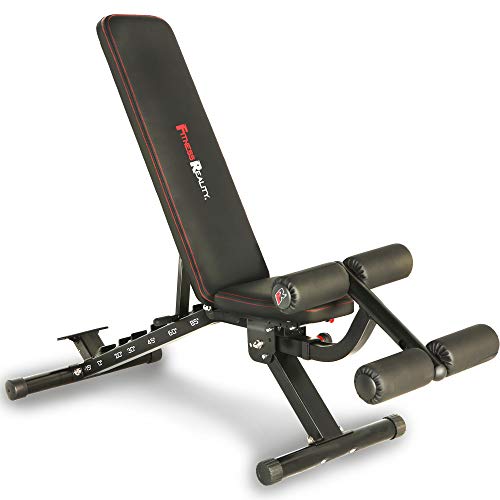
Fitness Reality 1000 Super Max Weight Bench
The spec sheet lists a wider base and higher weight rating than many competitors, and owners say that translates to more stability during heavier dumbbell rows and chest presses where lighter benches tend to wobble.
- Strong weight capacity
- Multiple back and seat positions
- Good stability on heavier presses
- Heavier to move around
- Takes more floor space when set up

ProsourceFit Multi-Purpose Weight Bench
This bench folds down thin enough to slide behind a couch, making it a strong pick for anyone doing dumbbell bench workouts in a small apartment.
- Very compact when folded
- Lightweight and easy to carry
- Good for flat and incline dumbbell work
- Less sturdy at max incline under heavy loads
- Basic padding

Signature Fitness Adjustable Bench
A solid middle-ground option: owners consistently report the seat stays put and the frame stays rigid through repeated dumbbell press and row sessions.
- Good value for the build quality
- Multiple incline settings
- Comfortable padding
- Fewer extreme angles than premium models
- Assembly instructions could be clearer
How we chose
We searched for benches designed to withstand genuine dumbbell workouts, drawing on published specifications and feedback from confirmed owners. That means the incline pins lock securely in place under load, the base is wide enough to prevent tipping during heavy one-arm rows, and the padding, according to owners, keeps its shape even after months of regular use. The ability to fold flat for storage was also a factor, given that most dumbbell and bench routines at home take place in shared areas such as a garage corner or a spare bedroom.
A simple dumbbell bench workout to start with
If you’re new to combining dumbbells and a bench, this full-body routine covers the basics in about 40 minutes:
- Flat dumbbell bench press – 3 sets of 8-10 reps
- Incline dumbbell press – 3 sets of 8-10 reps
- Single-arm dumbbell row (bench-supported) – 3 sets of 10-12 reps per side
- Dumbbell flyes on flat bench – 2-3 sets of 12-15 reps
- Bulgarian split squat (rear foot on bench) – 3 sets of 10 reps per leg
- Weighted step-ups using the bench – 2-3 sets of 10 reps per leg
The bench is the real reason this kind of workout works so well: with a pair of dumbbells, that single piece of equipment lets you move between presses, rows, unilateral leg work, and step-based cardio.
What to look for in a bench for dumbbell training
Incline range and lock security
Look for at least 3-5 back positions plus flat, and make sure the pin locks with a firm click. A bench that shifts mid-rep during a heavy incline press is more than annoying, it’s a real injury risk.
Base width and stability
Doing single-arm dumbbell rows creates a sideways strain on the frame. If the base is narrow or the frame is light, it can wobble from side to side, particularly once you're rowing dumbbells of 40+ pounds.
Weight capacity
Add your body weight to the heaviest dumbbell load you’ll press, then leave margin. Most home benches are rated between 600-1,000 lbs, which is plenty for the vast majority of lifters.
Fold-flat storage
If you’re working in a shared space, a bench that folds to a few inches thick and has a carry handle makes a real difference in whether it actually gets used consistently.
| Bench | Best for | Angle positions | Folds flat | Price |
|---|---|---|---|---|
| FLYBIRD Adjustable Weight Bench | Overall dumbbell training | 7 back positions | Yes | $$ |
| Finer Form Dumbbell Weight Bench | Beginners | Flat/incline/decline | Yes | $ |
| CAP Barbell Adjustable Bench | Budget setups | Flat/incline/decline | Yes | $ |
| Fitness Reality 1000 Super Max | Heavier lifters | Multiple back/seat | Yes | $$ |
| ProsourceFit Multi-Purpose Bench | Small spaces | Flat/incline | Yes, very thin | $ |
| Signature Fitness Adjustable Bench | Value seekers | Multiple incline | Yes | $ |
Pairing dumbbells with your bench
An adjustable dumbbell bench workout only works as well as the dumbbells behind it. Still shopping for weights to go with your new bench? Our dumbbells hub breaks down adjustable versus fixed sets, and our kettlebells guide covers a solid complementary tool for rows and swings. Thinking about building out a fuller setup? Check our home gym hub and power racks guide for what comes after the bench-and-dumbbell stage.
Related guides
- Best adjustable weight benches
- Best dumbbells for home use
- Best kettlebells
- Building a home gym
- Resistance training equipment guide
- Barbells and plates guide
- More training guides
- How we rank equipment
Ready to build your setup?
See our top-rated adjustable benches for dumbbell training
Frequently asked questions
Is a bench necessary for dumbbell workouts?
Not strictly, but a bench unlocks presses, incline work, single-arm rows, and step-based movements that are hard to replicate on the floor. It significantly expands what a pair of dumbbells can do.
How many days a week should I do a dumbbell and bench workout?
Two to four sessions per week works well for most people, allowing at least one rest day between sessions that hit the same muscle groups.
What’s a good beginner dumbbell weight to start with?
Many beginners start with 10-20 lb dumbbells for pressing movements and 15-25 lb for rows, adjusting based on how the last few reps of each set feel.
Can I build muscle with just dumbbells and a bench?
Yes. Progressive overload with dumbbells and a bench, especially combined with bodyweight leg work, is enough to build meaningful muscle for most home lifters.
Do I need an adjustable bench or is flat enough?
An adjustable bench is worth the extra cost because incline and decline positions let you target upper, middle, and lower chest, plus shoulders, in ways a flat bench can’t.
How much weight capacity do I need in a bench?
Add your body weight to your heaviest working dumbbell load per hand times two, then choose a bench rated comfortably above that total.
Can dumbbell bench workouts replace a barbell bench press?
For most home lifters, yes. Dumbbells also demand more shoulder stability and even out strength imbalances between sides, which a barbell can mask.
More Buying Guides
 Jump Rope Cardio Workout: The Ropes and Routines That Actually Deliver ResultsWhat Does a Mini Barbell Do? A Real-World Breakdown for Home Gyms
 Forearm Workouts With Dumbbells: The Best Sets for Grip and Wrist StrengthThe Real Benefits of a Rowing Machine (And Who It’s Actually Best For)Barbell vs. Dumbbell: Which One Should Anchor Your Home Gym?Why Are Dumbbells So Expensive? What Actually Drives the Price in 2026