How to Choose the Best Gym Equipment for Home in 2026
The best home gym equipment for 2026 is whatever matches your specific training goal, available space, and budget. Not necessarily the priciest or most popular option. Start by deciding whether you’re building strength, improving cardio, or focusing on general fitness and recovery. That decision should come before comparing brands or price tags. This guide walks through how to measure your space, set a realistic budget by category, and match equipment types to your goals, then points you toward our top picks in each category. Whether you’re outfitting a full garage gym or carving out a corner of an apartment, function comes first, the gear itself is secondary.
Our top picks for building a smart home gym

Bowflex SelectTech 552 Adjustable Dumbbells
The quick-turn dial lets you switch between 15 weight sets without digging through a rack, all from a single compact tray, owners note it's fast enough for supersets across leg and shoulder work.
- Replaces 15 sets of dumbbells
- Quick weight changes between sets
- Durable tray construction
- Bulkier shape than fixed hex dumbbells
- Premium price for the weight range

Sunny Health & Fitness Squat Rack Power Cage
The adjustable safety bars are built to catch failed squat reps without a spotter, and the frame is designed to bolt down easily to a garage floor.
- Solid safety catch system
- Multiple height adjustments
- Reasonable footprint
- Ceiling height matters for pull-up bar clearance
- Assembly takes a couple hours

Sole F80 Treadmill
The cushioned deck is engineered to absorb impact on longer runs, and the incline motor is rated for quick response when switching programs mid-workout.
- Sturdy, high weight capacity
- Smooth incline adjustments
- Strong warranty coverage
- Large footprint even when folded
- Heavier to move between rooms

FLYBIRD Adjustable Weight Bench
It folds flat enough to slide behind a couch, and owners report the incline pin holds steady through heavier dumbbell presses.
- Folds compact for storage
- Multiple incline and decline positions
- Affordable entry point
- Padding is firmer than gym benches
- Not rated for the heaviest barbell loads

PowerBlock Elite Series Adjustable Dumbbells
Stacked side by side, this pair takes up less floor space than a single rack of fixed dumbbells, and the selectorized design still climbs to serious weight.
- Very compact selectorized design
- Expandable weight range over time
- Solid build quality
- Boxy shape feels different than round dumbbells
- Expansion kits add extra cost

Theragun Mini by Therabody
Compact enough for a gym bag, it's built for use on tight calves after leg day, and owners report the smaller size still delivers real percussive pressure.
- Genuinely pocket-portable
- Quiet motor for its size
- Simple one-button operation
- Battery life shorter than full-size models
- Fewer attachment head options
How we chose
Rather than forming an opinion from a product's listing photo, we base our assessment on published spec sheets, the current Amazon listing, and recurring themes found in verified owner reviews. Everything featured here is judged on real-world durability, drawing on feedback from people who actually use the equipment. Our evaluation takes into account the footprint, noise level, stability during use, and whether a brand's stated weight capacity or resistance range matches reality. If owner reviews repeatedly point to weak components or assembly hardware that looks too light for the load it's meant to support, we note it in this review.
Start with your goal, not the gear
Strength training
If your main goal is building muscle or getting stronger, prioritize a rack, a barbell setup, or adjustable dumbbells before anything else. A single set of adjustable dumbbells or a compact power cage covers far more training variety than a treadmill ever will for strength-focused goals. Check our dumbbells and power racks hubs for deeper category breakdowns.
Cardio and conditioning
For cardio, the right machine depends heavily on your joints and your space. Runners generally do better on a full-size treadmill with a longer deck. Apartment dwellers often prefer a rower or a compact bike that tucks away after use. Browse our treadmills, exercise bikes, and rowing machines guides to compare options by footprint and noise level.
General fitness and recovery
If you’re not chasing a specific performance goal, a mix of resistance bands, a bench, and a recovery tool like a massage gun often delivers the best return per square foot. See our resistance training and recovery hubs for specifics.
Measure your space before you shop
Most first-time buyers underestimate how much clearance strength equipment needs. A power rack needs several feet of clearance on all sides for safe barbell loading. A treadmill needs runway space behind it in case of a stumble. Measure your ceiling height too: many racks with pull-up bars need at least 7.5 to 8 feet of clearance, which rules out low-ceiling basements.
| Equipment type | Typical footprint | Best for | Watch out for |
|---|---|---|---|
| Power rack / cage | 4×4 to 5×7 ft plus clearance | Barbell strength training | Ceiling height for pull-up bar |
| Treadmill | 3×6 ft folded/unfolded | Running, walking, incline work | Deck length for taller runners |
| Adjustable dumbbells | 1×2 ft tray | Full-body strength, small spaces | Weight range limits over time |
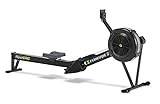
| Rowing machine | 2×8 ft, some fold | Full-body cardio, low joint impact | Rail length for taller users |
| Adjustable bench | 1.5×4 ft, folds flat | Pressing, incline work, core | Weight capacity with barbells |
Set a realistic budget by category
Setting up a workable home gym for the first time might cost only a few hundred dollars if you're going with adjustable dumbbells and a bench, or it could climb past a thousand once you add a rack, barbell, and plates. Cardio equipment shows the biggest price spread of all, with entry-level bikes available under $300 and full-size treadmills climbing well past $1,500. Instead of stretching your budget across every category at once, you'll typically see better outcomes by investing properly in one or two essential pieces first and building out your gym from there.
Assembly, noise, and floor protection
Factor in assembly time realistically. A power rack can take an afternoon with a second person, while adjustable dumbbells are ready in minutes. If you’re in an apartment or share walls, put a rubber mat under treadmills and rowers to cut vibration and protect flooring. It’s worth checking noise-related reviews before buying a motorized machine.
Don’t forget recovery and accessories
Once the big pieces are in place, small additions like resistance bands, a foam roller, or a percussion massager round things out and help you actually recover between sessions. These take up almost no space and are worth budgeting for after your main equipment is settled. See our cardio accessories and recovery guides for specifics, and start from our home gyms hub if you’re planning a full room setup.
Related guides
- Home Gyms hub
- Power Racks hub
- Dumbbells hub
- Treadmills hub
- Exercise Bikes hub
- Weight Benches hub
- Recovery hub
- How We Rank
Ready to start building your home gym?
Compare our top-tested picks and check current pricing before you buy.
Frequently asked questions
What’s the single best piece of equipment to buy first for a home gym?
For most people, adjustable dumbbells offer the best return on investment since they cover strength training for the whole body in a small footprint.
How much space do I need for a basic home gym?
A functional setup with a rack, bench, and dumbbells can fit in roughly 8×8 feet, though cardio machines add significant additional footprint.
Is it better to buy a treadmill or a bike for a small apartment?
A folding bike or compact rowing machine is often quieter and takes less space than a treadmill, making it a better fit for shared walls.
Do I need a power rack if I’m just starting out?
Not necessarily, many beginners get strong results with adjustable dumbbells and a bench before adding a rack and barbell later.
How much should I budget for a basic home gym setup?
A starter setup with dumbbells and a bench can run a few hundred dollars, while adding a rack, barbell, and plates typically pushes the total past a thousand.
What’s the most overlooked equipment need?
Recovery tools like a massage gun or foam roller are frequently skipped but make a real difference in how well you bounce back between sessions.
Should I prioritize weight capacity when choosing equipment?
Yes, always choose equipment rated well above your current lifting or body weight to account for added load over time and safety margin.
More Buying Guides
 Jump Rope Cardio Workout: The Ropes and Routines That Actually Deliver ResultsWhat Does a Mini Barbell Do? A Real-World Breakdown for Home Gyms
 Do Vibration Plates Help You Lose Weight? What We Found After Testing Six Models
 Rowing Machine Technique: A Buyer’s Guide to Getting the Stroke Right at Home
 Pilates Workout Equipment: The Gear Worth Buying for a Home StudioHow to Build a Garage Gym Setup That Actually Works in 2026