Chest Workouts With Dumbbells at Home: The Best Dumbbells and a Program That Works
Yes. You can build serious chest size and strength at home using nothing but a solid pair of dumbbells and a bit of floor space or a bench. Dumbbells let you train the full range of chest work a barbell setup offers: flat press for overall mass, incline press for upper-chest development, and flyes for a stretch a bar can’t replicate. This guide covers the dumbbells worth buying for chest day, a full workout you can start this week, and the buying-guide details that actually matter, like handle shape, adjustment speed, and weight range, based on published specs and what verified owners consistently report about pressing performance. Whether you’re outfitting a spare room or upgrading a starter set, the picks below cover every budget and space constraint for 2026.
The best dumbbells for chest workouts at home

Bowflex SelectTech 552
The dial system lets you go from 20 to 45 pounds in seconds, which matters mid-workout when you're supersetting flat press with flyes. The listing and owner reviews note the handle runs a bit thicker than a fixed dumbbell, and some owners report it takes a few sessions to get used to on heavy presses.
- Adjusts in 2.5-lb increments
- Compact footprint for small home gyms
- Durable dial mechanism
- Handle thickness takes getting used to
- Plastic shell can feel less premium than steel

NÜOBELL 50 lb Adjustable Dumbbells
Owners consistently report these feel closest to a traditional dumbbell among adjustable sets, which makes a real difference on heavy flat bench dumbbell press where wobble kills form. The turn-dial selector is quick between sets.
- Fixed-dumbbell feel and balance
- Smooth 5-lb increment changes
- Solid steel build
- Pricier than plate-loaded options
- Heavier pairs are pricey for beginners

PowerBlock Elite EXP Stage 1
The stacked-block design shrinks a whole rack into two small towers, a real space-saver for a cramped spare room. Owners note the pin selector moves fast between chest press and flye sets once you're used to the shape.
- Very small footprint
- Expandable weight range
- Sturdy under heavy pressing loads
- Boxy handle shape isn't ideal for flyes
- Selector pin can be fiddly at first
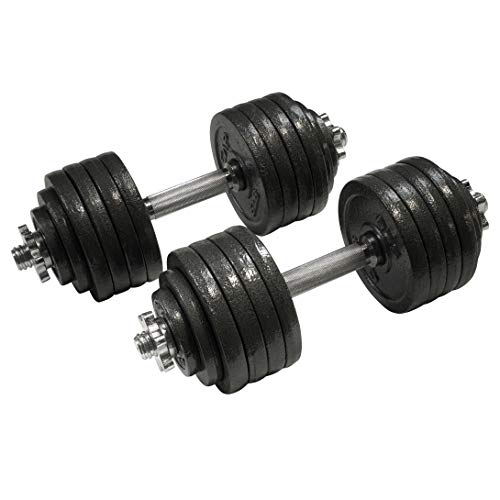
CAP Barbell Adjustable Dumbbell Set
The spinlock collars aren't as fast as a dial system, but for chest day where you're not changing weight every minute, that's a fair trade for the price. It's a solid starting point before upgrading to quick-adjust dumbbells.
- Very affordable entry point
- Plates let you fine-tune load
- Wide availability of add-on plates
- Collar tightening slows transitions
- Bulkier than dial-adjust sets
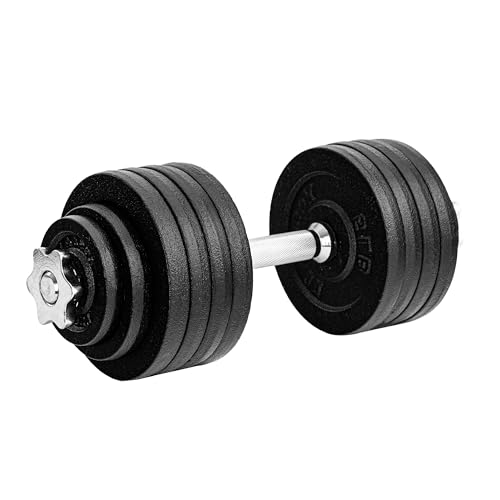
Yes4All Adjustable Dumbbells
Simple, no-frills spinlock dumbbells that let beginners start light and add weight as chest strength improves without buying a whole rack of fixed weights.
- Low cost per pound
- Simple to understand and load
- Good for light chest-day accessory work
- Spinlocks can loosen mid-set
- Not as fast to adjust as premium sets

FLYBIRD Adjustable Weight Bench
A flat floor press only gets you so far for upper-chest development. This bench folds flat for storage but locks in solidly at incline angles for dumbbell press and flye variations.
- Multiple incline/decline positions
- Folds for easy storage
- Stable under heavy dumbbell loads
- Padding could be thicker for long sessions
- Adjustment pin takes two hands
How we chose
We focused on dumbbells that hold up specifically to pressing movements: flat press, incline press, and flyes. That means we prioritized handle grip, balance at lockout, how fast you can change weight between exercises, and wobble at the top of a heavy set, based on manufacturer specs and what verified owners consistently report. We also considered price per pound, since a chest-focused home gym usually needs a wider weight range than a single-exercise setup.
Building a chest workout with dumbbells at home
The core movements
A solid dumbbell chest session only requires four or five movements. The flat dumbbell press is the core exercise, letting you handle the heaviest loads since both arms move together. Adjusting the bench to a 30-45 degree incline for the incline dumbbell press turns the emphasis toward the upper chest, a region often overlooked by home trainees. Dumbbell flyes, whether done flat or on an incline, stretch the pec fibers in a way that pressing exercises on their own cannot achieve. Round things out with push-ups or a close-grip floor press for additional volume, and the workout is complete.
A sample routine
Warm up with two light sets of flat press, then work through 3 sets of 6-10 reps on flat dumbbell press, 3 sets of 8-12 on incline dumbbell press, and 3 sets of 10-15 on dumbbell flyes. Finish with a burnout set of push-ups to failure. Rest 60-90 seconds between sets on press movements and 45-60 seconds on flyes, since the goal there is more about controlled tension than maximal load.
Do you need a bench?
You can get a solid flat-press chest workout on the floor with no bench at all, and floor presses actually reduce shoulder strain for some lifters since the range of motion is limited by the floor itself. But incline press and true dumbbell flyes require a bench, and upper-chest development specifically depends on that incline angle, so if your goal is full chest development rather than just a floor-based routine, an adjustable bench is worth the investment.
What to look for in dumbbells for chest day
Adjustment speed
If you superset presses with flyes, a chest session leaves little time between exercises. Dial-adjust dumbbells such as the Bowflex SelectTech or NÜOBELL can switch weights in a matter of seconds. Spinlock plate-loaded sets cost less but take longer to change, which works for straight sets yet becomes frustrating when you prefer to superset.
Weight range
Most home lifters need a wider range for chest work than they expect. Flat press typically uses the heaviest weight in a session, incline press drops 10-20% lower, and flyes drop further still, often to a third of your flat press weight. A set that only goes up to 25 or 30 pounds per hand will limit progress on flat press fairly quickly for anyone with prior pressing strength.
Handle and grip
Thicker dial-adjust handles can feel different from a standard gym dumbbell at first, particularly on heavy presses where grip fatigue matters. If you have smaller hands, test the handle diameter before committing to a set, since some adjustable dumbbells run noticeably thicker than fixed-weight versions.
Comparison table: dumbbell types for chest training
| Type | Best for | Adjustment speed | Typical price |
|---|---|---|---|
| Dial-adjust (Bowflex, NÜOBELL) | Supersetting press and flyes | Fast (seconds) | $$$ |
| Stacked-block (PowerBlock) | Small spaces, expandable range | Fast, slight learning curve | $$ |
| Spinlock plate-loaded (CAP, Yes4All) | Budget builds, straight-set training | Slower (30-60 sec) | $ |
| Fixed-weight pairs | Gyms or lifters who know their working weights | None needed | $$ per pair |
Related guides
- Best dumbbells for home gyms
- Best adjustable weight benches
- Home gym setup guides
- Best kettlebells for strength training
- Resistance band and suspension training gear
- More fitness equipment guides
- How we rank fitness equipment
- About TalkGyms
Ready to build your dumbbell chest workout?
Check current prices on our top adjustable dumbbell picks for home chest training.
Frequently asked questions
Can you build a full chest with just dumbbells?
Yes. Flat press, incline press, and flyes cover the full range of chest fiber activation that a barbell bench routine would, as long as your dumbbells go heavy enough for your strength level.
How often should I do chest workouts with dumbbells?
Most home lifters see good results training chest twice per week with at least 48 hours between sessions to allow recovery.
Do I need a bench for dumbbell chest workouts?
A bench isn’t required for flat press or floor press, but it is required for incline press and true flyes, both of which matter for upper-chest development.
What weight dumbbells do I need to start a chest workout?
Beginners often start flat press around 15-25 lbs per hand and incline press slightly lighter, but this varies widely; choose an adjustable set with room to grow rather than guessing a fixed weight.
Are adjustable dumbbells strong enough for heavy chest pressing?
Yes, most adjustable dumbbell sets on this list go up to 50 lbs per hand or more, which is enough for the vast majority of home lifters’ flat press work.
Is floor press as effective as bench press for chest?
Floor press limits the bottom range of motion, which slightly reduces stretch on the chest but also reduces shoulder strain, making it a solid substitute when you don’t have a bench.
What’s the difference between dumbbell press and dumbbell flyes for chest?
Press movements build strength and overall mass by working the chest, shoulders, and triceps together, while flyes isolate the chest through a stretch-focused motion with less shoulder involvement.
More Buying Guides
 Jump Rope Cardio Workout: The Ropes and Routines That Actually Deliver ResultsWhat Does a Mini Barbell Do? A Real-World Breakdown for Home Gyms
 Rowing Machine Exercise: What It Does for Your Body and Which Machine to Buy
 Barbell Workouts You Can Actually Do at Home (And the Gear That Makes Them Work)
 How to Do the Dumbbell Good Morning (Form Guide + Best Dumbbells for It)
 Bench Ab Workout: Best Benches for Building Real Core Strength at Home