Barbell Sizes Explained: Length, Diameter, and Which One Fits Your Home Gym
The right barbell size comes down to two numbers working together: overall length (5ft, 6ft, 6.5ft, or 7ft) and shaft diameter (25mm to 32mm+), matched to your rack width, the plates you already own, and your hand size. Barbell sizes aren’t standardized the way dumbbell handles are, so buying the wrong bar means your plates won’t slide on, your bar won’t clear your rack uprights, or the standard bar diameter feels wrong in your hands on every set. In 2026, with more lifters building garage and apartment gyms than ever, getting Olympic barbell dimensions and barbell weight standards right the first time saves a return shipment and a lot of frustration. Below we break down barbell length and diameter, sleeve length, and weight standards, plus how bumper plate sizing ties into all of it, based on published specs and what owners consistently report after living with these bars.
The best barbells we recommend across every common size

CAP Barbell 7ft Olympic Barbell (2-Inch Chrome)
This classic 7-foot, 45-pound bar fits standard Olympic racks and benches, and the listing specifies 190,000 PSI tensile steel for stiffness under heavy squats without excessive whip.
- True Olympic 2-inch sleeves fit all standard plates
- Handles heavy squat and deadlift loads without excessive whip
- Widely stocked, so replacement sleeves and collars are easy to find
- 7 feet is too long for garages under 8 feet of ceiling clearance
- Basic chrome finish will show surface rust if left in humid garages

Yes4All 5ft Solid Threaded Standard Barbell
At 5 feet and roughly an inch in diameter, this bar only works with spinlock plates, but its shorter length suits isolation lifts like curls where a 7-foot bar's width gets in the way.
- Inexpensive way to add barbell work to a small space
- Fits under most standard doorframes for storage
- Threaded sleeves let you use star or spinlock collars
- Not rated for heavy squats or deadlifts
- Standard plates only, no Olympic bumper compatibility

Synergee 6ft Technique Bar
This 15kg technique bar is built for grooving squat and clean patterns before loading heavy, and its shorter 6-foot length gives extra clearance from rack uprights on both sides.
- Shorter length fits garages with narrow rack footprints
- True Olympic 2-inch sleeves work with any bumper plate
- Lighter empty bar weight is friendlier for new lifters
- Not intended as a max-load competition bar
- Slightly shorter grip width feels tight for very tall lifters

Fringe Sport Wonder Bar 2.0
The 28.5mm shaft diameter splits the difference between a stiff power bar and a whippier deadlift bar on paper, and the dual knurl marks make it easy to switch between powerlifting and Olympic hand spacing.
- Versatile 28.5mm diameter suits multiple lift styles
- Dual knurl marks for powerlifting and Olympic grips
- Bronze bushings gave smoother spin than budget bars
- Costs noticeably more than basic chrome bars
- Overkill if you only train with light dumbbell-style loads
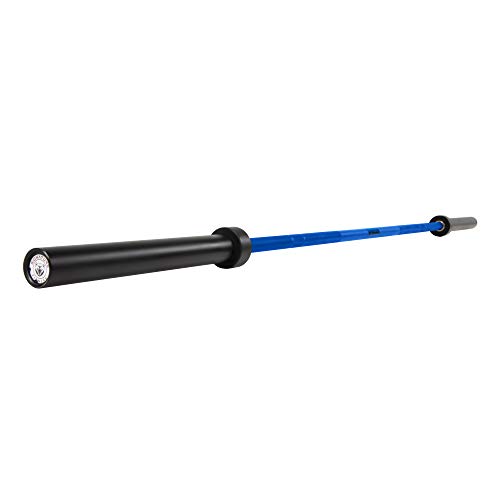
Signature Fitness 15KG Women's Olympic Bar
At 6.5 feet with a 25mm shaft, this bar is easier to wrap hands around than a standard 28-29mm men's bar, and the shorter length makes it easier to walk out in a home squat rack.
- 25mm diameter is easier to grip for smaller hands
- Shorter 6.5ft length maneuvers better in tight racks
- Still uses full 2-inch Olympic sleeves for standard plates
- 15kg unloaded weight changes your total load math versus a 20kg bar
- Less common accessory support than full-size men's bars

Papababe 5ft Chrome Standard Barbell Set
This comes bundled with spinlock collars and plates, letting owners start pressing and curling the same day without sourcing extra parts, though it's clearly an entry point rather than a long-term bar.
- Comes as a complete set with plates and collars
- Compact 5ft size stores easily in small apartments
- Affordable way to try barbell training before upgrading
- Standard 1-inch sleeves limit future plate options
- Not suitable once you outgrow light home workouts

CAP Barbell Olympic EZ Curl Bar
The cambered shape lets lifters angle their wrists during curls and skull crushers, which owners consistently report reduces elbow ache compared to straight bars during high-volume arm days.
- Cambered design eases wrist and elbow strain on isolation lifts
- Olympic sleeves fit standard bumper and iron plates
- Compact size stores easily against a wall or rack
- Not designed for squats, deadlifts, or bench pressing
- Adds a second bar to your setup rather than replacing one
How we chose
This list includes bars from every major size category a home lifter is likely to come across: full 7ft Olympic bars, shorter 6ft and 6.5ft versions, compact 5ft standard bars, and a specialty EZ curl bar, all selected by comparing published specs and considering how length and diameter influence real-world use based on feedback from verified owners. We looked closely at whether the sleeves fit true Olympic plates or only standard-hole plates, how much bend owners reported under load, and whether each size works comfortably within a typical home gym space rather than a commercial setup.
Barbell length: the first number that matters
7-foot Olympic bars
When people imagine a "barbell," this is usually the one that comes to mind. Measuring about 86.75 inches, a 7ft Olympic bar is designed for squats, bench press, and deadlifts, movements that call for wider hand and foot placement. Unloaded, it generally weighs 20kg (44lb) and comes with 2-inch sleeves compatible with any standard bumper or Olympic plate. The downside is the space it demands: you'll need a rack, bench, or open floor area wide enough on both sides, along with roughly 8 feet of ceiling clearance for overhead pressing.
6ft and 6.5ft bars
This range is where you'll typically find technique bars and women's Olympic bars. A 6ft technique bar shortens the overall length while retaining the 2-inch Olympic sleeves, and that genuinely helps in garages where the uprights on a rack sit closer together than they would in a commercial gym. At 6.5ft, women's Olympic bars usually combine a slightly reduced length with a thinner 25mm shaft and a lighter unloaded weight of 15kg, so the way you calculate total weight shifts if you're comparing your numbers against a standard 20kg bar.
5ft standard bars
These are the budget, apartment-friendly option. A 5ft standard bar usually has 1-inch sleeves that only accept standard-hole plates, not Olympic bumpers, and it’s not rated for heavy squats or deadlifts. Where it shines is curls, presses, and general strength work in a space too small for a full 7ft bar. If you’re testing whether barbell training fits into your routine before committing to a full setup, this is the low-risk entry point — see our barbells & plates hub for full setups built around this size.
Barbell diameter: why the shaft size changes your grip
Shaft diameter is measured in millimeters and directly affects how the bar feels in your hand and how much it flexes under load.
- 25mm — common on women’s Olympic bars and some technique bars; easier to wrap fingers fully around, less whip, favored for weightlifting-style movements.
- 28mm–28.5mm — the most common all-purpose diameter for men’s Olympic bars; balances grip and stiffness for squats, deadlifts, and bench.
- 29mm — slightly thinner than standard, often found on deadlift-specific bars that are designed to whip more for an easier pull off the floor.
- 32mm+ — stiff, aggressive powerlifting squat bars with minimal flex, built for maximal loaded squats rather than general use.
If you’re only buying one bar for a home gym, 28–28.5mm is the safest all-purpose choice, which is why it shows up on our Editor’s Choice pick above.
Sleeve length and bumper plate size
Sleeve length matters just as much as sleeve diameter. A full-size bumper plate measures 450mm, about 17.7 inches across, so loading a full stack on each side takes roughly 16 to 16.5 inches of loadable sleeve. Technique bars and other shorter bars often fall short of that, sometimes maxing out well before you reach full bumper capacity. That’s a real problem if you’re planning heavy Olympic lifts with bumper plates. Standard iron plates run smaller in diameter, so sleeve length rarely becomes a bottleneck there, but it’s still worth checking before committing to a full plate set for a bar you already own. For plate-specific advice, our barbells & plates guide breaks down bumper vs. iron sizing in more depth, and matching those plates to a power rack sized for your space will save you from clearance surprises later.
Weight standards you’ll see on the label
| Bar Type | Typical Length | Shaft Diameter | Unloaded Weight | Best For |
|---|---|---|---|---|
| Men’s Olympic | 7ft (~220cm) | 28–28.5mm | 20kg / 44lb | Squat, bench, deadlift |
| Women’s Olympic | 6.5ft (~201cm) | 25mm | 15kg / 33lb | Smaller grips, Olympic lifts |
| Technique/Training | 5–6ft | 25–28mm | 10–15kg | Learning form, compact racks |
| Standard (non-Olympic) | 5ft | ~25–28mm (1in sleeve) | Varies, often 15–20lb | Curls, presses, light home use |
| EZ Curl / Specialty | 4–4.5ft | Varies | 10–15lb | Arm isolation, reduced wrist strain |
Matching a bar to your space
Before buying, measure the inside width of your rack or the clear floor space where you’ll set up. A 7ft bar needs roughly 90 inches of usable width once you account for sleeve overhang, plus ceiling clearance for overhead presses. If your garage or spare room is tight, a 6ft technique bar or 6.5ft women’s bar solves the clearance problem while still using full Olympic sleeves, so you’re not locked out of standard plates. Pair your bar choice with a properly sized weight bench and rack, and if you’re building out a full setup from scratch, our home gym planning guide walks through footprint math in more detail.
Related guides
- Best barbells and plates for home gyms
- Best power racks for small spaces
- Best adjustable weight benches
- Best adjustable dumbbells
- How to plan a home gym layout
- More buying guides
- How we rank gear at TalkGyms
Ready to size your next barbell?
Compare current prices on the bars featured above.
Frequently asked questions
What’s the standard barbell length for home use?
A 7ft (about 86.75 inch) Olympic bar is the most common full-size standard, but 5ft and 6ft bars are popular in home gyms with limited space, especially for curls, presses, and technique work.
What diameter barbell should a beginner buy?
A 28mm to 28.5mm shaft is the most versatile all-purpose diameter and works well for squats, bench, and deadlifts without being too thick to grip comfortably.
Do all barbells fit standard bumper plates?
No. Only bars with 2-inch Olympic sleeves fit standard bumper plates; 1-inch “standard” bars require standard-hole plates and are not Olympic-compatible.
What size are bumper plates?
Full-size competition bumper plates are 450mm (about 17.7 inches) in diameter regardless of weight, which is why sleeve length on your bar matters when loading a full stack.
What’s the difference between a men’s and women’s Olympic bar?
A men’s Olympic bar is typically 7ft, 28-28.5mm diameter, and 20kg, while a women’s Olympic bar is usually 6.5ft, 25mm diameter, and 15kg unloaded.
Can I use a 5ft barbell for squats?
Most 5ft standard bars aren’t rated for heavy squats or deadlifts; they’re better suited to lighter lifts like curls, overhead presses, and general strength training.
How much sleeve length do I need for bumper plates?
Plan for roughly 16 to 16.5 inches of loadable sleeve per side to fit a full stack of standard bumper plates without running out of room.
Is a technique bar worth buying for a home gym?
Yes, especially in tighter garages, since a 6ft technique bar keeps full 2-inch Olympic sleeves but takes up noticeably less width and often weighs less than a full 20kg bar.
More Buying Guides
 Jump Rope Cardio Workout: The Ropes and Routines That Actually Deliver ResultsWhat Does a Mini Barbell Do? A Real-World Breakdown for Home GymsDoes an Elliptical Count as Steps? What Fitness Trackers Actually Measure
 Rowing Machine Technique: A Buyer’s Guide to Getting the Stroke Right at Home
 Pilates Workout Equipment: The Gear Worth Buying for a Home StudioHow to Build a Garage Gym Setup That Actually Works in 2026